Understanding Replacement Cost for Vail Properties
Owning property in Vail, Colorado, offers an exceptional lifestyle with its stunning mountain vistas and vibrant community. Such prime properties also come with unique insurance considerations. One of the most important concepts for Vail homeowners to understand when protecting their assets is replacement cost. This term plays a critical role in determining the adequacy of insurance coverage and the financial protection it provides in the event of a loss.
What Is Replacement Cost?
Replacement cost refers to the amount of money it would take to rebuild or repair your property using materials of similar kind and quality, without deducting for depreciation. In contrast to actual cash value (ACV), which factors in depreciation and wear, replacement cost coverage aims to restore your home or structure to its original condition, regardless of its age.
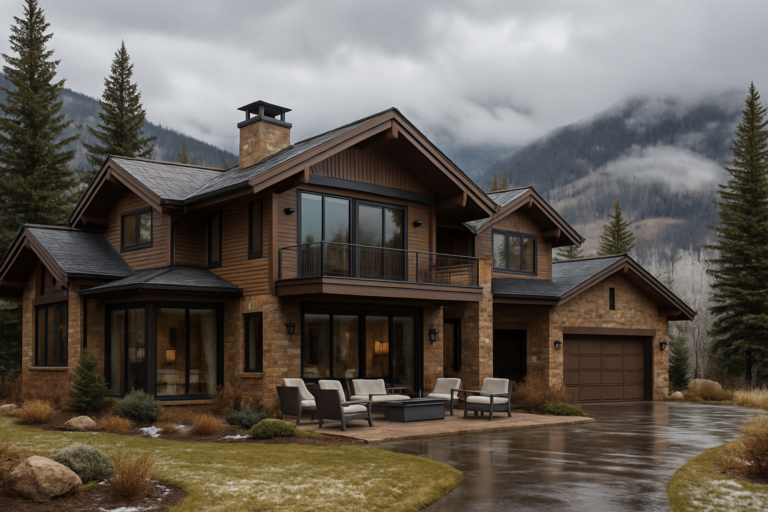
For Vail homes, which may feature unique architectural styles, high-end finishes, custom amenities, and specialized building materials, replacement cost can differ significantly from market value or even from an estimated reconstruction cost. Understanding this distinction helps property owners select coverage that truly reflects the cost to rebuild after a covered loss.
Why Replacement Cost Matters for Vail Properties
Homes in mountainous regions like Vail often have various complexities that affect replacement cost calculations:
- Custom architectural features: High-end properties often incorporate specialized materials, handcrafted elements, or unique designs, all of which influence rebuilding expenses.
- Challenging terrain and accessibility: Mountainous locations might increase construction costs due to access difficulties, labor rates, or seasonal building restrictions.
- Quality of materials and finishes: Using premium materials, such as natural stone, reclaimed wood, or energy-efficient installations, impacts replacement expense estimates.
These factors can increase the true replacement cost substantially beyond simple square-foot multipliers or market price comparisons. Thus, securing insurance coverage based solely on the property’s market value risks underinsurance and out-of-pocket expenses after a loss.
Key Insurance Coverage Decisions for Vail Homeowners
When evaluating replacement cost coverage for your Vail home, you should carefully consider several important factors and ask the right questions to your insurance agent or broker:
1. Has a professional appraisal or reconstruction estimate been conducted?
An accurate replacement cost figure often requires an estimate from a qualified appraiser, architect, or builder familiar with mountain construction methods and materials. This helps ensure your policy limits match the true cost of rebuilding rather than relying on generic or outdated data.
2. Does the policy cover full replacement cost or only partial?
Some policies offer replacement cost coverage up to the policy limit but may impose clauses that limit total payouts or apply depreciation to certain parts of the property — for example, for older roof systems or detached structures. Clarify how replacement cost is defined and applied.
3. Are detached structures and landscaping covered under replacement cost?
Vail properties often include garages, guest houses, decks, fencing, and extensive landscaping. Many standard policies limit coverage or settle these on an ACV basis rather than replacement cost, which can lead to costly gaps.
4. How are premium upgrades, green technologies, or code upgrades handled?
Modern Vail homes may incorporate solar panels, geothermal heating, or better insulation standards. Replacement cost coverage should consider these factors, or you might need endorsements to cover upgrades and compliance with new building codes.
Common Coverage Exclusions Affecting Replacement Cost
Understanding what replacement cost insurance generally does not cover is just as critical as knowing what it does. Policyholders often encounter surprise exclusions or limits that reduce their benefits. Potential exclusions include:
- Land and excavation costs: Replacement cost coverage typically excludes the value of land or the expenses associated with grading or altering the landscape.
- Foundations damaged by earth movement: Damage from landslides, earthquakes, or soil subsidence may be excluded, requiring separate earthquake or landslide insurance.
- Wear and tear: While replacement cost policies do not deduct depreciation on covered losses, damage due to gradual deterioration is not covered.
- Planned upgrades after loss: Coverage generally replaces what was lost but may not cover voluntary upgrades or additions made during reconstruction without additional endorsements.
Questions Property Owners Should Ask Their Insurance Provider
Engaging in a thorough dialogue with your insurer or broker is vital to obtaining appropriate coverage. Consider asking the following:
- How is replacement cost calculated for my specific property? Understand the method and assumptions used to determine your limits.
- Am I at risk of being underinsured if rebuilding costs increase after I purchase my policy? Explore inflation guards or scheduled updates.
- What endorsements or riders are available for unique home features or local construction conditions?
- Are attached and detached structures included in the replacement cost limit or insured separately?
- Does the policy cover living expenses if my home becomes uninhabitable during rebuilding?
- Are there any specific perils excluded or limited in coverage?
- What documentation or proof is required to file a replacement cost claim?
A Practical Checklist for Vail Homeowners Considering Replacement Cost Coverage
- Obtain a detailed, professional replacement cost estimate that reflects your property’s materials and design.
- Review your policy’s definition of replacement cost and compare it with actual rebuilding expenses.
- Confirm coverage limits for detached structures and landscaping features.
- Ask about inflation protection provisions that update your coverage over time.
- Discuss potential endorsements for green technologies and building code upgrades.
- Verify exclusions that may affect rebuilding costs, such as earth movement or code compliance limitations.
- Document home improvements and upgrades regularly for accurate policy updates.
- Clarify claims procedures and reimbursement timing for replacement cost payouts.
Replacement cost coverage is not just a policy feature; it’s a critical investment in preserving the value and lifestyle your Vail property embodies. Understand it thoroughly so it can protect your mountain retreat when you need it most.
Conclusion
Replacement cost coverage for Vail properties carries unique challenges and considerations shaped by the area’s environment, architecture, and construction techniques. Homeowners who take a proactive approach—by obtaining qualified replacement cost estimates, discussing specific policy terms with knowledgeable insurance advisors, and carefully reviewing coverage details—position themselves to secure appropriate protection for their valuable investments.
Before committing to any insurance plan, it is essential to confirm the applicability of coverage and exclusions to your individual property. Thoughtful questions and ongoing dialogue with your insurance professional will help ensure your coverage reflects the true cost of replacing your home and assets in Vail’s distinctive mountain setting.
Explore local coverage: Private client insurance in Vail, Colorado.