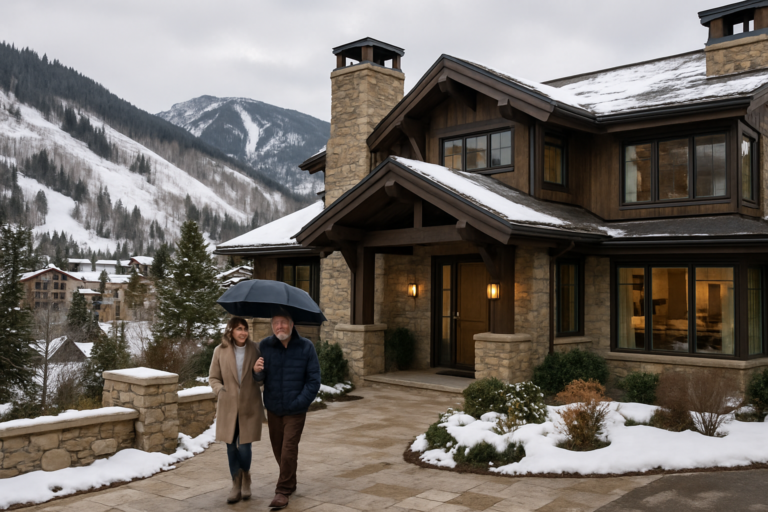
Owning a home in Vail, Colorado, offers the unique experience of living amidst stunning mountain vistas and enjoying four distinct seasons. However, the beautiful environment also comes with the challenge of severe weather events such as heavy snow, strong winds, freezing temperatures, and occasional storms. Preparing your Vail home for these weather conditions is essential to protect your investment and maintain peace of mind. Beyond physical preparations, understanding your insurance coverage plays a crucial role in managing risks associated with severe weather.
Understanding Weather Risks in Vail
Vail’s mountainous location means it frequently experiences severe winter weather, including heavy snowfall and ice accumulation. These conditions may lead to roof damage, water intrusion, or power outages. Additionally, spring snowmelt can cause localized flooding, while summer thunderstorms may bring wind damage or hail. Understanding these risks can help homeowners make informed decisions about their property and insurance coverage.
Physical Preparations to Shield Your Home
Before severe weather strikes, it’s wise to take proactive steps to prepare your home. For instance, ensuring your roof is in good condition is critical, as heavy snow and ice can strain roofing materials. Cleaning gutters and downspouts can help prevent ice dams and water backing up onto the roof or into the home. Additionally, insulating pipes and sealing gaps can protect against freeze damage.
Landscaping considerations are also important. Trimming trees and removing dead branches near the home reduces the risk of property damage during high winds or heavy snow loads. Clearing snow from driveways and walkways promptly not only enhances safety but also minimizes liability concerns.
Reviewing Insurance Coverage for Weather-Related Risks
When evaluating your homeowners insurance in Vail, it’s essential to understand which types of severe weather are covered and to what extent. Standard policies typically cover damage caused by windstorms, fire, and certain types of water damage, but exclusions and limitations often apply.
For example, water damage from burst pipes due to freezing temperatures is often covered if the homeowner took reasonable steps to maintain heat in the home. However, flooding caused by snowmelt or heavy rain runoff generally requires separate coverage, such as a flood insurance policy. Asking your insurance agent whether your policy includes coverage for roof collapse due to heavy snow or ice accumulation is also important, as coverage can vary significantly.
Key Questions to Ask Your Insurance Agent
To ensure your Vail home is adequately protected against severe weather, consider discussing these questions with your insurance agent:
- Does my policy cover damage from snow or ice accumulation on my roof? Some policies include this, while others may exclude it or limit the payout.
- Am I covered for water damage caused by frozen or burst pipes? Clarify the conditions under which such damage is covered and recommended preventive measures.
- Do I need a separate flood insurance policy for my home? Since standard policies often exclude flood damage caused by natural runoff or snowmelt, ask about options for flood protection.
- What are the deductibles for windstorm or hail damage? Knowing your financial responsibility in the event of a claim can help you prepare accordingly.
- Are there specific endorsements or riders available to enhance coverage for common regional weather issues? Some insurers offer add-ons tailored for mountain homes or severe winters.
Examples to Illustrate Coverage Considerations
Imagine a family in Vail experiences a heavy snowstorm that leads to a section of their roof collapsing under the weight of accumulated snow and ice. If their homeowner’s policy includes coverage for roof collapse due to snow load, the damage repairs would be covered—minus any applicable deductible. If not, the repair costs would be out of pocket.
In another scenario, a homeowner’s pipes freeze and burst during a cold snap while the house was left unheated. If the policy mandates that the home must be properly maintained and heated to cover freezing damage, the claim may be denied due to neglect, highlighting the importance of preventive measures.
Finally, consider a spring thaw that causes runoff flooding into a lower-level basement. If the homeowner lacks flood insurance, damage from this event may not be covered, demonstrating why separate flood policies can be essential in certain mountain areas.
Conclusion
Protecting your Vail home from severe weather involves a combination of thoughtful physical preparation and careful insurance planning. Understanding your exposure to snow, ice, freezing temperatures, and flooding helps guide effective mitigation efforts. Meanwhile, engaging with your insurance agent ensures that your coverage aligns with these risks, providing clarity and protection before any event occurs. By addressing these considerations proactively, you can better safeguard your home and enjoy everything that the Vail lifestyle has to offer, regardless of the weather.
Explore local coverage: Private client insurance in Vail, Colorado.