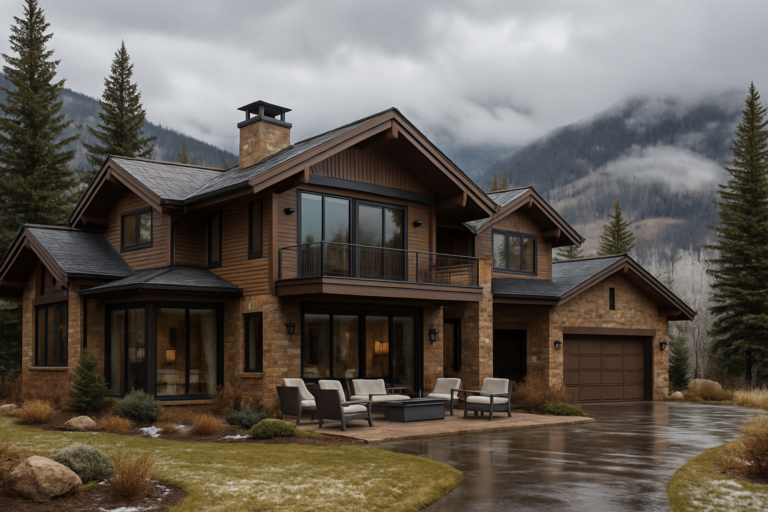
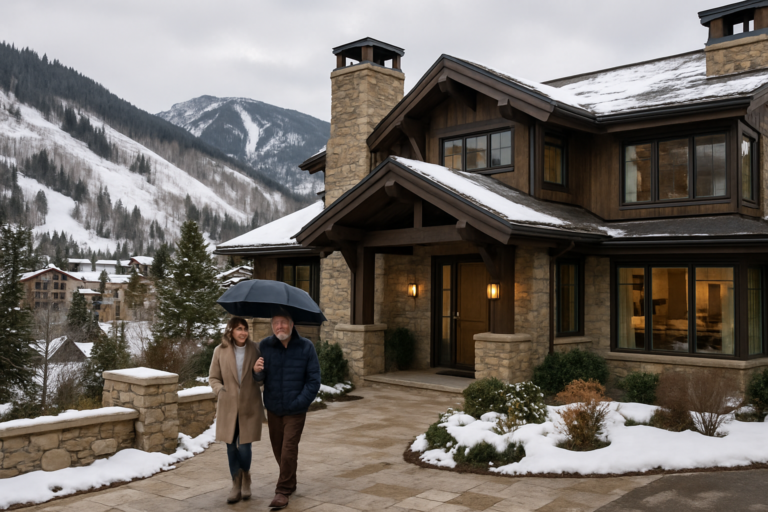
Owning a second home in a renowned mountain retreat such as Vail, Colorado, presents unique insurance challenges and considerations. The scenic beauty, seasonal weather patterns, and lifestyle factors all contribute to the complexity of insuring a property that may be unoccupied for long periods yet subjected to distinct risks. For private clients, understanding these nuances is essential to ensure that their investment is adequately protected without paying unnecessarily for overlapping or irrelevant coverage.
Understanding the Unique Risks Associated with a Vail Second Home
A second home in Vail is typically a property used intermittently, often seasonally, for skiing, hiking, or relaxing in the natural surroundings. This intermittent use introduces key risks:
- Vacancy and extended unoccupancy: Between seasons, the home may remain empty, heightening risks such as theft, vandalism, unnoticed water leaks, or freeze damage.
- Weather-related perils: Vail’s mountainous location leads to heavy snow, potential avalanches in certain areas, ice buildup, and freeze-thaw cycles that can affect roofs, pipes, and foundations.
- Liability concerns: Guests enjoying the property—whether family, friends, or renters—may be exposed to slip-and-fall hazards on icy walkways or other outdoor risks.
- Property amenities and contents: The home may be furnished with expensive ski equipment, art, or other valuables that require special consideration in insurance policies.
Key Insurance Questions for Vail Second Homeowners
Owners of second homes in Vail should carefully evaluate their insurance needs in light of the above risks. Here are some critical questions to guide coverage discussions with your insurance professional:
1. How Does My Usage Affect My Coverage?
Primary residences enjoy standard homeowner policies that assume regular occupancy. Second homes often need “vacancy” or “seasonal home” endorsements because extended periods without occupancy can void some coverage components or increase premiums. Ask your agent how your pattern of use impacts coverage limits and exclusions.
2. Does My Policy Address Weather-Related Perils Common in Mountain Environments?
Standard policies typically cover fire, wind, hail, and lightning, but coverage for snow damage may require special provisions. For example, damage from ice dams on roofs or weight of heavy snow causing structural damage might have limitations or exclusions. Make sure to clarify what is—and isn’t—covered.
3. Are Water Backup and Frozen Pipe Perils Included or Excluded?
Frozen pipes bursting during cold months when the house is unheated can cause catastrophic damage. Many policies exclude or limit these perils, especially if the home is vacant and no preventive measures (e.g., pipe insulation, monitored alarms) are in place. Ask what steps you should take and how coverage responds to pipe freeze-related claims.
4. How Should I Insure Personal Property and Specialized Items?
Typical homeowner policies offer personal property limits that may not reflect the high value of certain equipment, such as skis, snowboards, garage tools, artwork, or designer furniture. Consider whether a scheduled personal property endorsement or a separate valuable personal property policy is appropriate.
5. What Liability Protections Are Needed for Guests and Renters?
If you rent your Vail property, even occasionally, additional liability and property damage protections may be necessary. Ask about coverage options for short-term rentals, guest injuries on snow-covered walkways, or damages caused by renters. Even if you do not rent, social gatherings or use by family members can expose you to liability risk.
6. Do I Need Extra Coverage for Outdoor Structures and Equipment?
Mountain properties often include outdoor features like hot tubs, smokehouses, detached garages, or ski lockers. Verify that these structures are insured under your policy, and understand any limitations on coverage for landscaping or fencing damaged by winter weather or wildlife.
Key Coverage Components to Review
Reviewing the following coverage elements will help you tailor insurance to your Vail second home:
Dwelling Coverage
This part of the policy protects the physical structure from covered perils. Ensure that coverage limits consider local construction costs and possible expenses related to snow load damage or repair of mountain-style roofs.
Other Structures Coverage
Separate from the dwelling, this covers detached garages, decks, or sheds. Check limits and exclusions, as some policies have specific restrictions on these, especially under heavy snow conditions.
Personal Property Coverage
Includes furniture, electronics, and other belongings. Because expensive winter or outdoor gear may be stored in your Vail home, confirm adequate limits and consider specific endorsements if needed.
Loss of Use / Additional Living Expenses
If the home becomes uninhabitable due to a covered loss, this coverage helps with temporary housing costs. Nonetheless, limit terms often assume proximity to your primary residence and can vary substantially; review carefully.
Liability Protection
Includes medical payments and personal liability for bodily injury or property damage occurring on the premises. This is crucial given the risks of slip and fall on icy surfaces or injuries related to outdoor activities.
Optional Endorsements
- Vacancy or seasonal endorsements: Adjust coverage during periods when the home is unoccupied for several weeks or months.
- Sewer backup coverage: May be essential given the elevation and local infrastructure.
- Equipment breakdown: Covers things like hot tub or heating system failures, which can be costly and may not be covered under standard plans.
A Practical Checklist for Vail Second Home Insurance Review
- Confirm how extended vacancy or seasonal usage affects your policy terms and premiums.
- Evaluate coverage for snow, ice, and freeze-related damage.
- Ask about water damage from burst pipes and what preventive measures are required.
- Verify personal property limits and consider scheduling high-value items.
- Review liability limits and options especially if renting or hosting guests.
- Check whether outdoor structures and amenities are covered.
- Consider loss of use coverage and confirm the scope of temporary housing benefits.
- Inquire about endorsements for vacancy, sewer backup, and equipment breakdown.
- Discuss local risks and how to mitigate potential coverage gaps with your agent.
In a mountain town like Vail, the intersection of natural beauty and environmental challenges demands a thoughtful approach to insurance. A second home is not just an investment—it’s a sanctuary that deserves tailored protection reflecting its unique seasonal rhythms and risks.
Final Thoughts
Vail second home insurance is not one-size-fits-all. While it shares characteristics with traditional homeowners policies, the region’s climate, property usage patterns, and lifestyle factors necessitate a detailed review and customization of coverage. Engaging a knowledgeable insurance professional who understands second home considerations—even if not focused solely on Vail—can provide invaluable guidance. They can help you balance adequate protection with cost efficiency, ensuring your mountain retreat remains a source of joy and security.
It’s imperative that you regularly revisit your insurance arrangements, particularly if your usage patterns or property features change. Periodic reviews ahead of each season can help identify new risks or coverage opportunities, ultimately protecting your investment against the unpredictable elements of mountain life.
Explore local coverage: Private client insurance in Vail, Colorado.