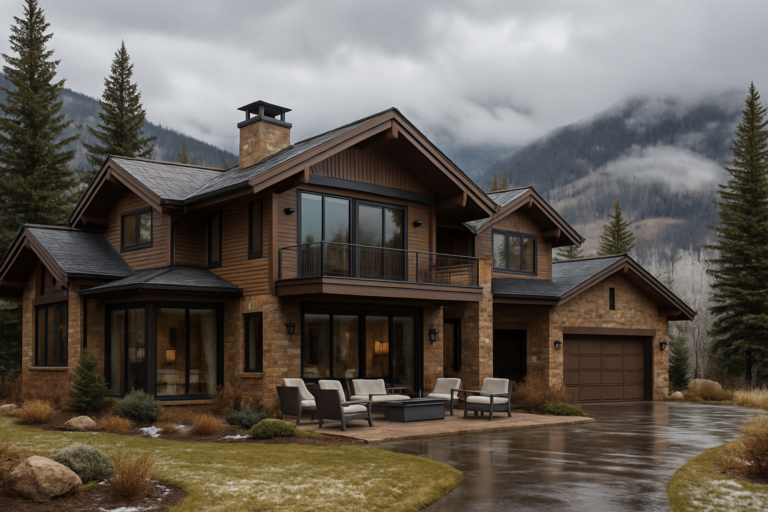
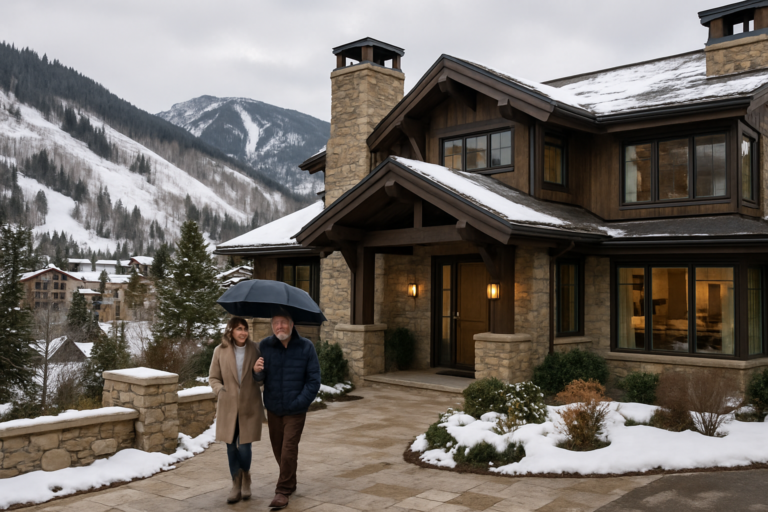
Owning a high-value home in an extraordinary mountain setting such as Vail, Colorado, comes with unique insurance considerations that require careful evaluation and proactive decision-making. The distinct blend of alpine weather, luxury construction, and the lifestyle amenities that attract discriminating property owners means standard homeowners’ insurance often falls short. Protecting such an asset requires understanding specialized coverages, navigating exclusions, and preparing for scenarios that can quickly escalate in cost and complexity.
Understanding the Risks Unique to High-Value Homes in Mountain Resorts
Mountain environments pose specific challenges not always anticipated in conventional insurance policies. Properties in Vail are subject to heavy snowfall, potential avalanches, and cold-weather risks such as pipe freezing or structural stress from snow load. In addition, high-value homes often feature custom architectural elements, expensive finishes, state-of-the-art technology systems, and extensive landscaping, all of which carry replacement costs far above those of standard homes.
Beyond natural perils, affluent properties can be targets for theft or vandalism, necessitating specialized coverage and risk management strategies. Furthermore, the luxury market often includes second homes or seasonal residences, which present unique exposures related to vacancy, caretaker arrangements, and fluctuating utility usage.
Key Questions to Ask When Evaluating Insurance Coverage
Owners of high-value properties in Vail should approach their insurance policies with intentionality, asking detailed questions to ensure comprehensive protection tailored to their property and lifestyle. Here are several crucial inquiries to guide this process:
1. How Is the Home’s Valuation Determined?
Standard policies often base coverage on market value or mortgage balance, which can be insufficient for unique, custom-built homes. Ask insurers how replacement cost is calculated and whether a professional appraisal or detailed building estimate is required to establish coverage limits that truly reflect the cost to rebuild.
2. Does the Policy Account for High-Cost Materials and Labor?
Vail homes frequently feature premium materials like exotic wood, natural stone, or cutting-edge energy-efficient systems. Replacing such items can be significantly more expensive, especially in a less populous mountain area where specialized labor might command premium rates. Inquire whether coverage accounts for these factors or if endorsements are necessary.
3. What Types of Water Damage Are Covered?
Water damage is a leading cause of losses in mountain environments, with risks ranging from frozen or burst pipes to roof leaks caused by snow accumulation. Determine the policy’s stance on these perils, whether it covers gradual damage (often excluded) or only sudden incidents, and clarify if there are additional protections available for sewer backups or sump pump failures.
4. How Are Personal Belongings Valued and Covered?
High-value homes usually contain collections of fine art, jewelry, antiques, wine cellars, or technology systems. Ask about sub-limits for these categories and whether separate “scheduled personal property” endorsements are advisable to guarantee adequate coverage, valuation methods, and claims handling.
5. Is There Coverage for Additional Living Expenses (ALE)?
In the event the home becomes uninhabitable due to a covered loss, ALE can pay for temporary housing and related expenses. Owners should review the limits and duration offered, especially considering the higher costs and limited availability of luxury accommodations in resort areas such as Vail.
6. Are There Exclusions Specific to Mountain Properties?
Content exclusions or restrictions may apply based on environmental or regional conditions. For example, some policies exclude damage resulting from earth movement (landslides or avalanches), flood, or mold. Understanding these exclusions is vital, as supplemental policies or riders may be needed.
7. Are Liability Risks Fully Addressed?
Luxury estates often include amenities such as pools, hot tubs, tennis courts, or guest houses, which can increase liability exposure. Verify the extent of liability coverage for bodily injury or property damage incurred on the premises and inquire about umbrella or excess liability policies to provide broader protection.
Examples of Common Coverage Considerations for Vail Homes
While not exhaustive or specific to all situations, these examples illustrate common questions relating to insurance in a mountain resort environment:
- Snow and Ice Damage: If a heavy snowpack causes structural damage to a roof or gutters, is this covered under “named perils,” or does it require an endorsement?
- Frozen Pipes: Would the policy cover damages from pipes that burst when the home is unoccupied during winter months, or is a maintenance requirement mandated?
- High-Value Art Collections: Does the insurer require formal appraisals and scheduled coverage for significant art or collectibles, or do they risk being limited by standard personal property sub-limits?
- Secondary Residence Considerations: Does extended vacancy status affect coverage, and are there endorsements that maintain protection for seasonal residences often left unoccupied for long periods?
- Avalanche and Land Movement: Are damages from earth movement events excluded from the policy, and if so, what alternatives exist to protect against these risks?
Practical Checklist for Reviewing Your High-Value Home Insurance
- Obtain a professional appraisal or replacement cost estimate specific to your home.
- Review declarations page thoroughly to confirm dwelling coverage reflects your home’s unique value.
- Confirm coverage includes specialized building materials and labor costs relevant to mountain construction.
- Verify water damage coverage parameters, focusing on frozen pipe protections and gradual damage exclusions.
- Inventory personal property and assess need for scheduled coverage or endorsements for valuables.
- Understand limits, duration, and conditions of Additional Living Expenses coverage.
- Evaluate liability coverage levels and consider umbrella policies based on estate amenities and guest exposure.
- Clarify exclusions related to earth movement, flooding, and mold; explore separate policies if needed.
- Discuss vacancy clauses if the residence is a second home or seasonal property.
- Confirm risk management practices required by insurer, such as winterizing or security systems.
Choosing insurance for a luxury mountain home is not just about protecting bricks and mortar—it’s about safeguarding a lifestyle crafted by combining environmental beauty, architectural expression, and personal treasures. The right policy must navigate complex exposures with nuance and expertise.
Conclusion
Securing insurance for a high-value home in Vail demands a highly customized approach. The interplay of mountain-specific risks, the premium nature of construction and contents, and the lifestyle elements inherent in owning a luxury property requires deep engagement with insurance professionals skilled in serving private clients. By asking pointed questions, carefully reviewing policy language, and planning for the full scope of potential losses, homeowners can position themselves to preserve both their investment and peace of mind amid the challenges and joys of mountain living.
Explore local coverage: Private client insurance in Vail, Colorado.