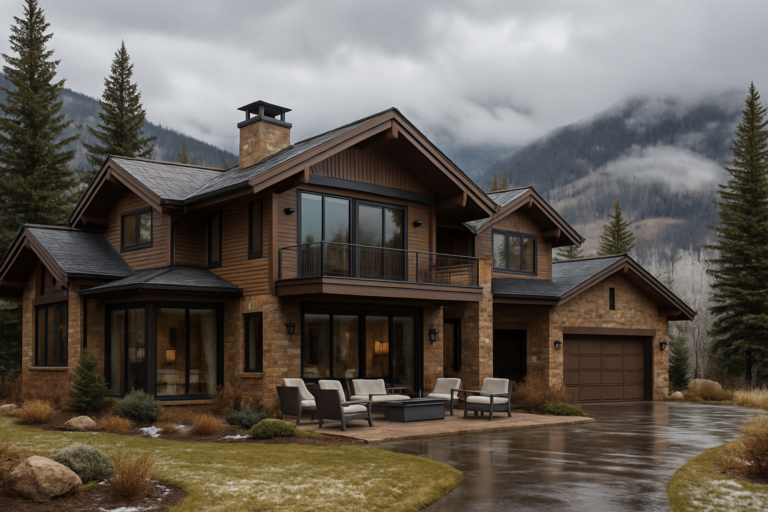
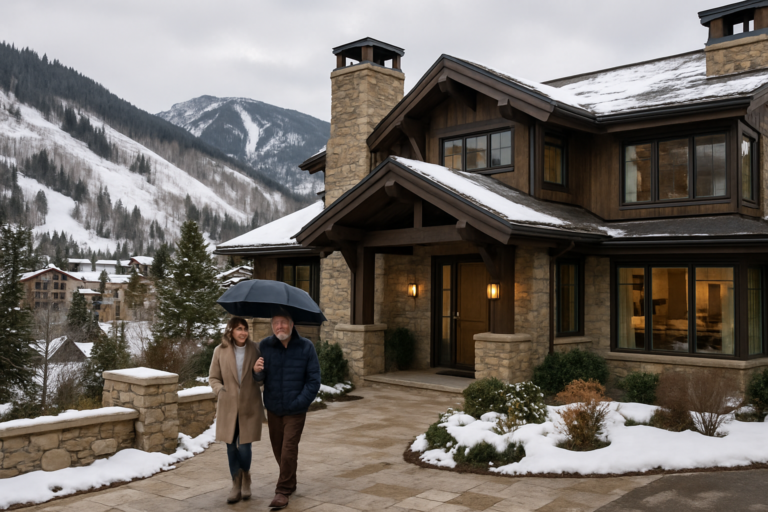
Owning a home in Vail, Colorado, offers stunning mountain views and access to exceptional outdoor activities. Yet, with these natural beauties comes the challenge of preparing properties to withstand the area’s severe weather conditions. From heavy snow and ice to high winds and sudden temperature shifts, Vail homeowners must consider a broad array of potential risks when selecting insurance coverage and taking protective measures. Understanding how to prepare a Vail home and make strategic coverage decisions is essential to managing risk effectively.
Understanding Vail’s Unique Weather Challenges
Vail’s mountain environment exposes homes to several severe weather phenomena that may impact property integrity. Heavy snowfall and ice buildup during winter months can lead to roof damage, ice dam formation, and strain on home infrastructure. Sudden thawing can cause water intrusion or flooding issues, especially in basements or crawl spaces. Wind storms or freeze-thaw cycles may compromise trees around a property, causing potential falling hazards that can damage structures or vehicles. Additionally, the region’s elevation and microclimate variations can accentuate certain risks more than lower-altitude areas.
Given these considerations, it is crucial for Vail homeowners to carefully evaluate their insurance coverage and identify any exclusions or limitations that might leave them vulnerable during severe weather events. The following sections provide guidance on preparing a home for these risks and questions to address with your insurance professional.
Key Insurance Coverage Considerations for Severe Weather in Vail
1. Dwelling and Structural Coverage
The core of any homeowners insurance policy is the dwelling coverage, which typically protects the physical structure of the home against perils such as fire, wind, and hail. However, some standard policies may not cover all types of damage related to severe weather:
- Snow and Ice Damage: Check if the policy covers damage caused by ice dams or accumulated snow weight. Some policies exclude gradual or maintenance-related damages, which could include prolonged ice dam effects.
- Wind Damage: Windstorm coverage is commonly included but verify whether high altitude windstorms or related damages from falling trees or debris are covered.
- Roof Collapse: Heavy snow loads can lead to roof collapse in certain scenarios. Confirm that the policy includes coverage for such an event and inquire about any structural maintenance requirements your insurer might impose.
When discussing dwelling coverage, ask your agent about the adequacy of your coverage limits. Given the rising costs of construction and the specialized nature of mountain homes, underinsurance is a risk many homeowners face. Replacement cost coverage is generally preferable to ensure repairs or rebuilding expenses are fully met.
2. Personal Property Coverage
Personal belongings are vulnerable during severe weather, whether from flooding, water intrusion, or wind-driven debris. It is important to identify whether your current policy includes:
- Protection against water damage arising from roof leaks or ice dams (note that flood damage typically requires separate coverage).
- Coverage limits on high-value items such as electronics, outdoor gear, and specialized equipment, which may be significant investments in a mountain community like Vail.
- Temporary loss coverage if your possessions are damaged or inaccessible while your home undergoes repairs.
Consider creating an inventory of your personal property to assist in claims processing, and ask about endorsement options that expand coverage for expensive or irreplaceable items.
3. Water Damage and Flooding
Water damage can arise in several forms, including burst pipes caused by freezing temperatures or flooding from snowmelt. Important points to clarify include:
- Frozen Pipes: Does your policy cover losses from burst or frozen pipes? Often this is included if caused by sudden events but excluded if due to lack of maintenance or prolonged freezing.
- Flood Insurance: Standard policies usually exclude flood damage caused by surface water, snowmelt, or river overflow. Investigate whether a separate flood insurance policy is necessary to protect your Vail home adequately.
- Mold and Secondary Damage: Some policies limit or exclude coverage for mold resulting from water intrusion following a covered peril. Understand these limitations to avoid unexpected out-of-pocket expenses.
4. Liability and Additional Living Expenses
Severe weather can also create liability concerns and additional living expenses for homeowners. Issues to explore include:
- Coverage if a tree or debris from your property causes injury or damages nearby property during a storm.
- Protection against lawsuits stemming from weather-related incidents on your premises.
- Coverage for hotel stays or other living expenses if your home becomes uninhabitable due to severe weather.
These components may be part of your homeowner’s policy or available as endorsements; ensure you understand any coverage caps or qualifying conditions.
Preparing Your Vail Home for Severe Weather: Practical Steps
Beyond insurance considerations, physical preparation helps mitigate potential damage. A comprehensive approach includes both home maintenance and risk assessment strategies.
- Inspect and Maintain Roofs and Gutters: Ensure roofing materials are secure and gutters are clear of debris to prevent ice dam formation and water backup.
- Evaluate Insulation and Ventilation: Proper attic insulation and ventilation reduce the risk of ice dams and protect plumbing from freezing.
- Trim Surrounding Trees: Remove dead or weakened branches close to the home or power lines to lower the chances of wind-related damage.
- Winterize Plumbing: Protect pipes with insulation or heat tape and consider shutting off water in unused areas during extreme cold spells.
- Secure Outdoor Items: Store or fasten outdoor furniture, equipment, and vehicles to prevent storm damage or loss.
- Create an Emergency Plan: Prepare for power outages, limited access, or evacuation by assembling supplies and establishing communication protocols.
Questions Every Vail Homeowner Should Ask Their Insurance Agent
When reviewing your coverage or seeking a new policy, consider the following questions to ensure your severe weather risks are appropriately addressed:
- Does my policy specifically cover damage caused by snow, ice, and windstorms typical in mountain environments?
- Are ice dam-related damages or roof collapse losses included or excluded?
- What are the limits and exclusions related to water damage, including frozen pipes and snowmelt flooding?
- Is separate flood insurance recommended or required for my location and property?
- What coverage exists for personal property, and are there endorsements available for valuable possessions?
- How does my policy handle additional living expenses if my home becomes uninhabitable after severe weather?
- What liability coverage do I have for injuries or property damage caused by natural events on my property?
- Are regular maintenance or mitigation efforts required to maintain coverage eligibility?
- How is replacement cost coverage structured, and is it sufficient to rebuild or repair my home in today’s market?
Preparing your Vail home for severe weather isn’t just about fortifying your property—it’s about understanding your coverage details so that when nature tests your resilience, your insurance support rises to meet the challenge.
Final Thoughts
Severe weather in Vail presents tangible threats that warrant thorough preparation and informed insurance decisions. While no policy can guarantee protection against every situation, awareness of coverage specifics and proactive home management greatly reduce exposure to loss. By systematically evaluating your insurance options and physical readiness, you position yourself to respond confidently and effectively when winter’s challenges arrive.
Partnering with a knowledgeable insurance professional familiar with mountain-area risks is invaluable. Together, you can tailor coverage to your unique circumstances and review your property’s resilience measures on an ongoing basis. Thoughtful preparation today sets the foundation for security tomorrow in Vail’s beautiful—and sometimes harsh—environment.
Explore local coverage: Private client insurance in Vail, Colorado.