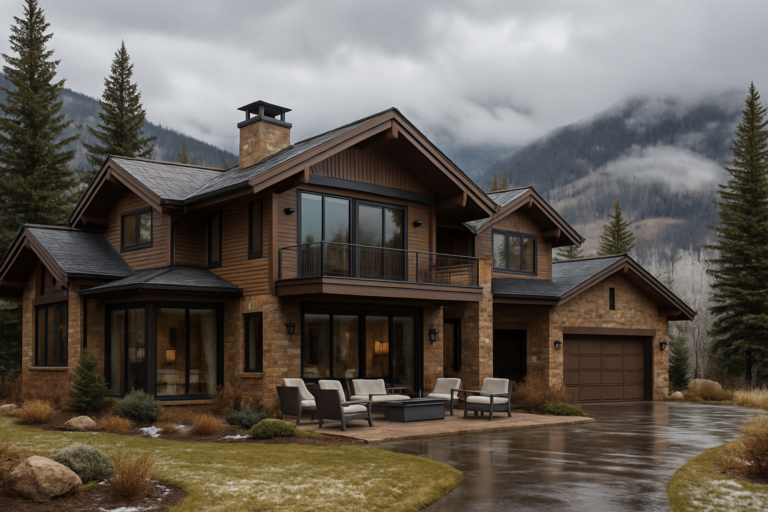
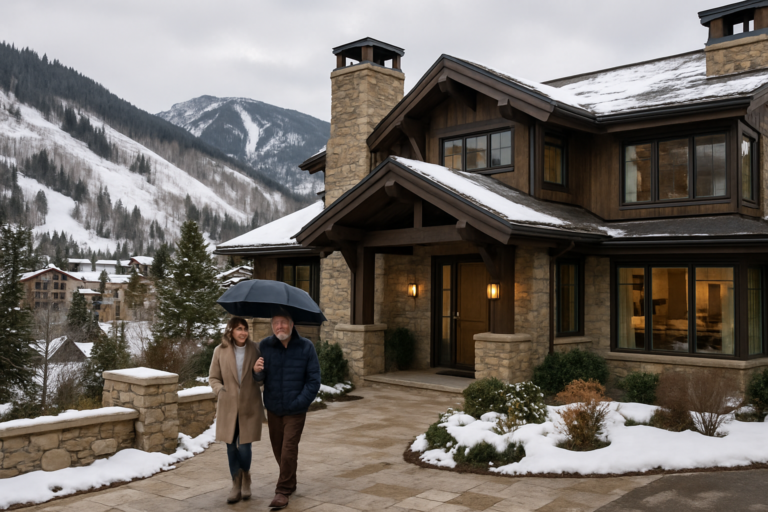
Owning a home in Vail, Colorado, is often a dream come true, offering unparalleled mountain views and access to world-class recreation. However, with the unique environment and conditions of this alpine community comes the need for careful attention when selecting and understanding a home insurance policy. An essential aspect of this process is knowing what exclusions may apply—situations or perils that your policy may not cover.
This article explores home insurance exclusions relevant to homeowners in Vail, helping you navigate coverage decisions effectively. It also provides guidance on critical questions to ask your insurer or broker to ensure your investment is adequately protected against the unexpected.
What Are Home Insurance Exclusions?
Home insurance policies are designed to cover a range of perils—events that cause damage or loss to your property or possessions. While coverage can be extensive, all policies include specific exclusions: events or circumstances that the insurer will not cover. Understanding these exclusions is vital because they directly impact your risk and financial exposure.
Exclusions may be related to:
- Certain types of natural events
- Damage resulting from neglect or lack of maintenance
- Specific types of personal property
- Business activities inside your home
- Wear and tear or gradual deterioration
Before purchasing or renewing a policy, homeowners should carefully review the terms and conditions to identify these gaps.
Common Exclusions Relevant to Vail Homeowners
While Vail is unique in many ways, several home insurance exclusions tend to be common regardless of location. Still, some are especially relevant given the environment, altitude, and lifestyle in this mountain town. Here are a few examples:
1. Flood Damage
Most standard home insurance policies exclude flood damage. This means that if rising water from heavy rain, rapid snowmelt, or localized flooding damages your home, the policy may not provide compensation. Given the mountain streams, snowpack runoff, and potential for sudden storms in Colorado, flood can be a genuine risk, especially in certain neighborhoods or lower-elevation areas around Vail.
2. Earth Movement and Landslides
Earth movement, including earthquakes, landslides, and mudslides, is commonly excluded. The terrain surrounding Vail is mountainous and steep in places—conditions that can sometimes lead to ground movement after heavy precipitation or seismic activity.
3. Sewer Backup and Water Damage
Sewer or drain backup is often a separate exclusion unless additional coverage is purchased. This type of damage can occur when municipal systems are overwhelmed during snow melts or storms, potentially causing costly interior damage.
4. Mold, Mildew, and Fungus
Damage resulting from mold, mildew, or fungal growth is typically excluded when it results from ongoing moisture problems or neglect rather than a sudden covered peril. The cold climate and insulated building practices in Vail can sometimes lead to hidden moisture problems, emphasizing the importance of proper home maintenance.
5. Wear and Tear or Maintenance Issues
Insurers generally exclude coverage for losses caused by wear and tear, mechanical failure, or lack of maintenance. Issues such as a leaking roof due to age or failing plumbing due to corrosion could fall under this exclusion.
6. Certain Personal Property and High-Value Items
Some categories of personal property, like jewelry, artwork, collectibles, or high-end electronics, may have limited coverage under a standard policy, often subject to sub-limits. Separate endorsements or floater policies are commonly needed.
Key Coverage Questions Vail Homeowners Should Ask
Understanding exclusions is only one part of obtaining suitable insurance. Engaged homeowners in Vail should have a thoughtful conversation with their insurance agent or broker, seeking clear answers to topics that matter locally and personally. Here are some important questions to consider:
Is my property’s location factored into any exclusions or special terms?
Elevation, proximity to waterways, slope angle, and other geographic factors can influence risk automatically. Ask if your location triggers any specific exclusions or requires additional coverages to address geographic hazards.
Does my policy cover damage caused by heavy snowfall or ice buildup?
Snow and ice are an integral part of mountain living but can cause roof collapses, ice dams, or burst pipes. Clarify whether damage from these common causes is covered and what preventive measures may be required.
Am I protected against damage caused by forest fires or wildfires?
While Vail is not in a desert climate, nearby wildfire activity has become a growing concern. Check how your policy treats fire damage and what steps you can take to qualify for possible incentives or discounts.
Is water seepage or gradual damage covered?
Gradual leaks or seepage are typically excluded, but sudden water incidents sometimes are not. Understand how your insurer distinguishes between these and what types of water damage are covered.
Are sewer backup and sump pump failures included or available as endorsements?
Given fluctuating snowmelt patterns, backs up of municipal sewer lines can be an unexpected threat. Ask about specific endorsements and whether they apply to your home.
Do I need a separate policy or endorsement for high-value personal property?
If you own expensive skis, artwork, or collectibles, find out whether standard sub-limits apply and what additional coverage options exist.
How does my policy address liability for guests or rental activities?
Some Vail residents rent their homes seasonally or occasionally. Verify if your policy excludes liability for certain rental uses or requires additional coverage.
Checklist for Homeowners Reviewing Their Insurance in Vail
- Review your policy’s specific exclusions with your agent—pay close attention to natural hazard clauses.
- Ask about endorsements or separate policies for flood, sewer backup, earthquakes, and landslides.
- Confirm coverage for snow-related damages, including ice dams and roof collapse.
- Inquire about coverage limits for valuables and whether additional floater policies are needed.
- Discuss liability coverage and implications if you rent your home or host guests regularly.
- Schedule regular home maintenance to prevent losses excluded due to neglect.
- Document the condition of your home with photos and inventories to support potential claims.
Understanding what your insurance doesn’t cover can be just as important as knowing what it does. In mountain communities like Vail, where nature’s beauty comes with unique risks, asking the right questions is key to securing peace of mind.
Conclusion
Homeowners insurance is a critical part of protecting your valuable asset in Vail, Colorado, but like any contract, it comes with limitations. Exclusions are a standard part of these policies and learning to identify and understand them will empower you to make informed decisions tailored to your home’s location, condition, and your specific lifestyle needs.
Proactively engaging with your insurance professional about the particular challenges of mountain living—such as snowfall, water damage, and possible earth movement—can help ensure your coverage matches your expectations and provides protection where you need it most. Regular policy reviews, maintenance, and thoughtful risk management will combine to help you enjoy your Vail home with confidence and security.
Explore local coverage: Private client insurance in Vail, Colorado.