Understanding How to Document a High-Value Vail Property
Owning a high-value property in Vail, Colorado, brings a unique set of considerations for insurance documentation and coverage decisions. With its picturesque mountain surroundings and potential for seasonal fluctuations, a comprehensive approach to documenting the property is essential for ensuring that insurance accurately reflects the home’s attributes and risks. This article outlines key steps in documenting your luxury Vail property, raises important questions to discuss with your insurance advisor, and highlights factors unique to this mountain environment without making specific coverage guarantees.
Why Thorough Documentation Matters for High-Value Properties
High-value homes often include custom features, expensive materials, and special amenities. Standard homeowners insurance policies may not adequately cover these unique aspects, so detailed documentation forms the foundation for making informed coverage decisions. Proper documentation helps to:
- Establish accurate replacement cost valuations
- Identify special risks and coverage needs
- Clarify the scope of coverage and potential exclusions
- Facilitate quicker and fairer claim resolutions
Initial Property Assessment
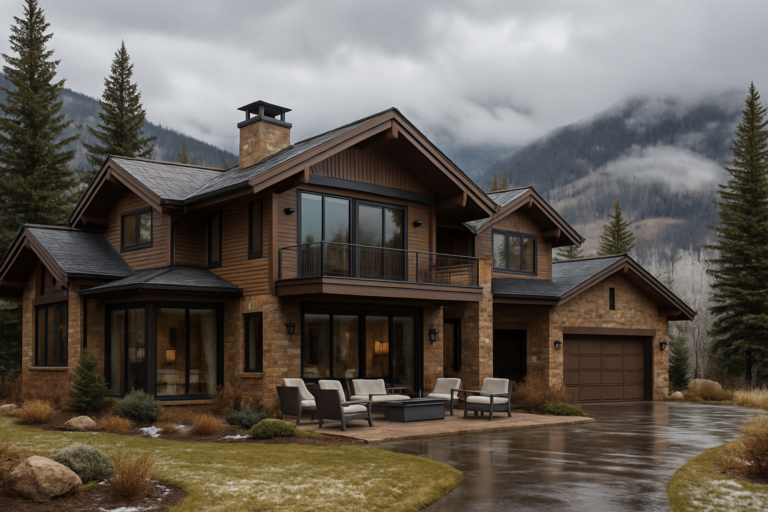
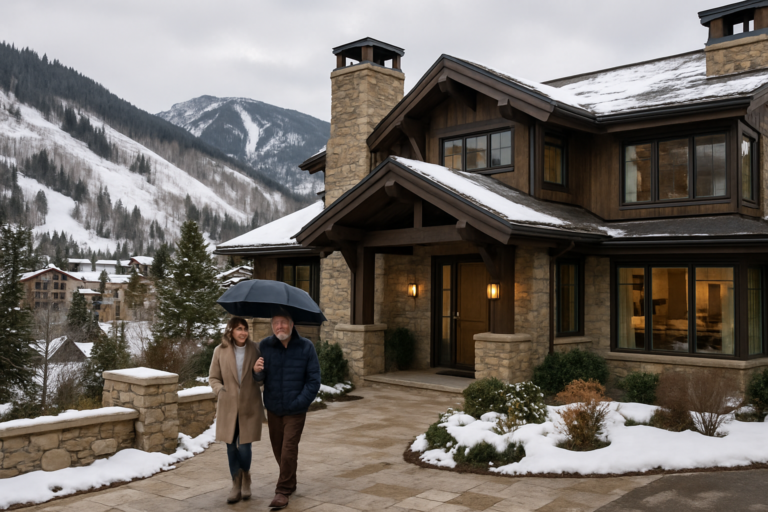
The first step is to thoroughly assess the property, noting key characteristics that may affect coverage and premiums. This includes the home’s square footage, construction materials, and unique architectural details that often define Vail mountain homes, such as extensive use of natural stone and woodwork.
Consider also listing special features like heated driveways to combat snow accumulation, multiple fireplaces, or advanced security systems. These upgrades may influence coverage options or discounts.
Detailed Inventory of Contents and Valuables
In high-value homes, contents can sometimes exceed the value of the structure itself. A comprehensive inventory goes beyond major appliances and electronics to include fine art, jewelry, antiques, and collectibles.
Photographs, appraisals, and receipts for these items provide essential backup in the event of loss. Be sure to update this inventory regularly, especially after acquiring new possessions.
Key Coverage Questions Every Vail Homeowner Should Ask
Consultation with a knowledgeable insurance professional is critical. Below are essential questions that can guide these discussions, helping tailor coverage to a mountain property:
1. Does the policy accurately reflect replacement cost or market value?
Replacement cost coverage pays to rebuild your home to its original condition or better, which is generally favored for high-value homes to prevent underinsurance. Market value policies, which include land value, are less common. Clarify this distinction to understand what you are paying for and what you can expect after a loss.
2. Are there limitations or exclusions tied to weather-related damage?
Given Vail’s alpine climate, consider how the policy handles damage from events such as:
- Snow or ice accumulation (weight and melting issues)
- Frozen pipes during winter months
- Flooding caused by rapid snowmelt or storms
- Windstorm damage
Some standard homeowners policies exclude or limit flood and earthquake damages, which may warrant a separate policy or endorsements.
3. Is there adequate coverage for detached structures and outbuildings?
Many Vail properties boast garages, guest houses, or recreational buildings. Confirm whether these are included and what limitations apply, especially if used infrequently or seasonally.
4. Are there special considerations for vacation home or secondary residence coverage?
A secondary home may be vacant for extended periods, potentially affecting risk classifications. Inquire about vacancy clauses, security requirements, and how seasonal occupancy influences premiums and coverage.
5. How does the insurer handle liability exposures unique to mountain properties?
Mountain properties can carry extra liability risks, such as:
- Slippery walkways with snow and ice
- Outdoor recreational equipment (snowmobiles, skis, ATVs)
- Potential wildlife interactions
Understand the scope and limits of your liability coverage relative to these exposures.
6. What options exist for additional or scheduled personal property coverage?
Standard policies typically place limits on high-value items. Scheduling valuable articles separately can provide tailored coverage, sometimes with agreed valuations, reducing disputes after loss.
7. Does the policy cover engineering upgrades or building code compliance during rebuilding?
Modern building codes may require costly upgrades after a covered loss. Discuss if code upgrade coverage or ordinance coverage is included or available as an endorsement.
Building Your Documentation: Best Practices for Vail Properties
Accurate and accessible documentation is vital. Here are practical steps specifically suited to a high-value property in a mountain setting:
- Professional Appraisal: Obtain an independent appraisal that considers local construction costs, design complexities, and material quality.
- Photographic Record: Capture high-resolution images of the entire property—including interior details such as custom cabinetry and finishes—and exterior landscaping.
- Video Walkthrough: A narrated video can supplement photos by demonstrating condition and features over time.
- Inventory List for Personal Property: Create an organized catalog, noting serial numbers, purchase dates, and documented valuations.
- Climate and Seasonal Risk Documentation: Note any winterization steps, fire mitigation measures, or drainage/erosion controls in place, illustrating proactive risk management.
- Update Records Regularly: Every 1-2 years, or after significant renovations or acquisitions.
Insurance Agent Collaboration
Your insurance advisor will use this documentation to help tailor your coverage and guide you through options from high-net-worth insurers specializing in luxury and mountain properties. Transparent communication about your property’s unique aspects ensures the most relevant questions are addressed prior to policy selection.
Documenting a high-value Vail property is not simply a paperwork exercise—it is a proactive strategy that allows owners to precisely articulate the value and risk profile of their homes to insurers. Careful preparation today can save months and untold frustration tomorrow.
Summary Checklist for Documenting Your Vail Luxury Home
- Conduct a detailed property assessment including construction materials and custom features
- Create a comprehensive inventory of all valuable contents with appraisals and receipts
- Take extensive photos and professional video walkthroughs of both interior and exterior spaces
- Secure an up-to-date professional appraisal reflecting replacement costs
- Document seasonal climate risk management measures and home security systems
- Review your current insurance policy language for coverage limits, exclusions, and special provisions
- Discuss specialized coverage options such as flood, earthquake, building code upgrades, and scheduled personal property
- Clarify liability coverage, especially for common mountain property risks
- Plan regular updates to documentation to capture changes or enhancements
Final Thoughts
Documenting a high-value home in Vail requires attention to detail and ongoing collaboration with trusted insurance professionals. Each property’s unique design, contents, and environmental risks must be carefully recorded and revisited regularly to ensure that insurance coverage aligns with current realities.
By addressing vital policy questions early and maintaining thorough documentation, owners can navigate the complexities of insuring mountain properties more confidently, helping protect their investments and peace of mind.
Explore local coverage: Private client insurance in Vail, Colorado.