Evaluating Property Risks in Vail for Vail, Colorado
Owning property in Vail, Colorado, offers unique lifestyle opportunities alongside distinct challenges from an insurance perspective. The mountainous environment, seasonal fluctuations, and lifestyle characteristics of Vail create property risk profiles that differ from many other regions. For private clients considering insurance for homes or investment properties in Vail, a thorough understanding of property risk evaluation is essential. This article aims to guide property owners through critical questions to ask and considerations to weigh when evaluating insurance coverage, helping them make informed decisions tailored to their unique property needs.
Understanding Vail’s Property Risk Landscape
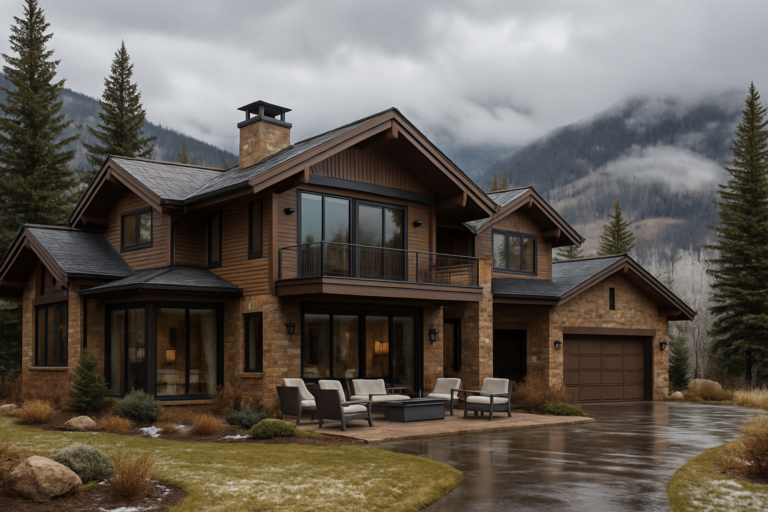
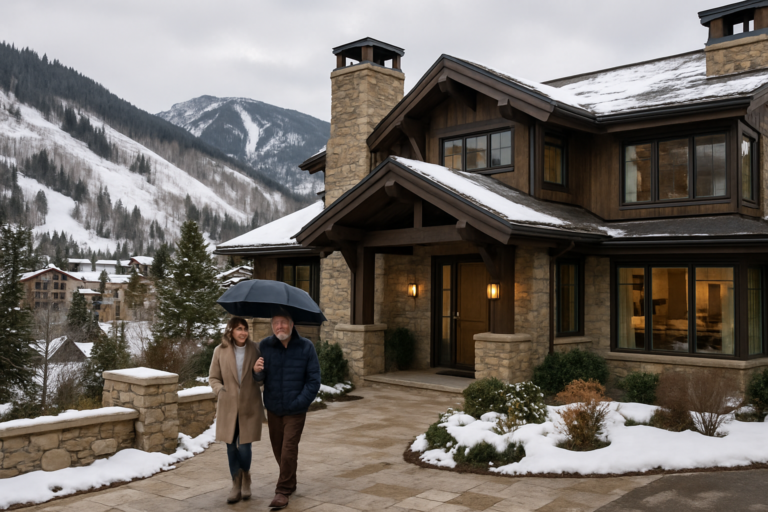
Vail is renowned for its alpine beauty and outdoor recreation, but these features bring exposure to certain risks. Climate factors like heavy snowfall, freeze-thaw cycles, and potential wildfires all play roles in property vulnerability. Additionally, many homes in Vail feature unique architectural and construction elements such as wood siding, expansive glass windows, and elevated structural designs to accommodate landscapes. These factors can influence both how risks manifest and the types of insurance coverages recommended.
When evaluating property risks in Vail, it is crucial to understand that standard homeowner insurance policies may not fully address every unique local hazard or property feature. While broad coverage may be included in a policy, certain exclusions or limitations might apply when it comes to winter-related damage, wildfires, or even liability issues related to snow sports activities on private premises.
Key Coverage Questions for Vail Property Owners
When reviewing or obtaining insurance coverage for a Vail property, owners should consider asking their insurance agent or broker a series of targeted questions. These help clarify what is—and is not—covered, as well as understand the practical implications and optional coverages available. Below are critical questions to explore:
- How does my policy handle winter-related damages? Snow and ice accumulation can lead to roof collapse, ice dams, and water intrusion. Ask whether there are specific limits, exclusions, or endorsements that impact coverage for these conditions.
- Is damage caused by freeze-thaw cycles covered? Repeated freezing and thawing can cause foundational cracking and pipe bursts. Understanding coverage scope here is essential since damage from gradual deterioration is often excluded.
- Are there wildfire-specific coverages or exclusions? While wildfire risk varies seasonally, fires can occur near mountain communities. Knowing whether your policy excludes fire damage or requires additional wildfire endorsements can guide precautionary measures.
- What liability coverage applies if someone is injured engaging in recreational activities on my property? Vail properties often host ski equipment storage or even private slopes. Check what liability protections your policy provides should an accident occur involving guests.
- Are there coverage considerations for unique structure types? Properties with log construction, extensive glass, or unconventional materials may require specialized endorsements or appraisals to reflect replacement costs accurately.
- How does the policy handle lost income or rental interruptions? Many Vail property owners rent homes short-term. Inquire about coverage for lost rental income resulting from property damage or necessary repairs.
- What measures reduce claims or premiums? Installing protective systems such as heated gutters, backup power, or fire-resistant landscaping can mitigate risks. Ask about discounts or endorsements related to risk mitigation efforts.
Examples of Relevant Coverage Scenarios in Vail
Putting the coverage questions into practical perspective can help owners visualize the implications for their property:
- Winter Water Damage: A family returning from a winter vacation finds significant interior water damage caused by ice damming on the roof. Was their insurance policy inclusive of ice dam-related damage, or would repairs fall outside standard coverage?
- Wildfire Proximity: During a dry spell, embers from a wildfire ignite landscaping near a mountain home. If wildfire-specific exclusions apply, how might the owner respond or supplement protection?
- Liability Incident: A guest at a Vail home slips on an icy driveway and sustains injury. Does the liability coverage extend to such circumstances, and what limits and deductibles apply?
- Structural Replacement: A property with timber framing suffers wind damage during a spring storm. Are the replacement costs fully accounted for within the policy, or is additional coverage necessary for specialized materials?
- Rental Income Loss: A short-term rental owner experiences storm damage causing the property to become uninhabitable for several weeks during peak season. Is lost rental income covered, and under what contractual terms?
Exclusions Often Found in Property Policies Relevant to Vail
Awareness of exclusions enables owners to proactively address coverage gaps through endorsements, alternative policies, or risk mitigation strategies. Common exclusions or limitations to scrutinize include:
- Flood Damage: Most standard homeowner policies exclude flooding. Even in mountainous areas, thunderstorms or rapid snowmelt can cause localized flooding concerns. Flood insurance contracts may be obtained separately.
- Earth Movement: Landslides or earth shifts—possible in mountain terrain—are typically excluded unless specifically added through endorsements.
- Gradual Damage: Damage from wear and tear, mold, mildew, or ongoing maintenance issues often are not covered.
- Ordinance or Law: Upgrades required to bring a home into compliance with building codes after a loss are not always included unless ordinance or law coverage is added.
- Specialized Recreational Equipment: Coverage for expensive winter sports gear stored on premises may require scheduled personal property endorsements.
Checklist: Evaluating Your Vail Property Insurance Needs
- Review current policy for winter-related damage limits and coverage details.
- Confirm wildfire risk coverage and whether additional endorsements are needed.
- Assess liability limits, especially if hosting guests or recreational activities.
- Inventory unique structural features and verify coverage adequacy.
- Consider loss of rental income coverage if the property is rented seasonally.
- Investigate exclusions like flood, earth movement, and gradual damage.
- Implement physical risk mitigation measures and inquire about discounts.
- Update personal property schedules for costly or specialized equipment stored on-site.
- Regularly communicate with your insurance advisor to address evolving needs or property improvements.
Insurance in a mountain community like Vail is not just about protecting a property; it is about safeguarding a lifestyle shaped by nature’s beauty and challenges alike. Thoughtful evaluation and proactive planning are your best tools to preserve both.
Conclusion
For private clients in Vail, Colorado, insurance coverage decisions require a nuanced approach that recognizes the specific environmental, seasonal, and architectural elements of mountain living. Asking targeted questions regarding winter damage, wildfire risk, liability, structural materials, and rental income ensures clarity and better alignment with actual risks. Attention to exclusions and proactive risk management can reduce surprises and enhance protection.
Ultimately, partnering with an experienced insurance professional who understands the complexities of mountain properties helps craft an insurance portfolio that respects both the unique character of Vail and the owner’s peace of mind. Whether a primary residence or seasonal retreat, your property insurance strategy should be as thoughtfully designed as the home itself.
Explore local coverage: Private client insurance in Vail, Colorado.