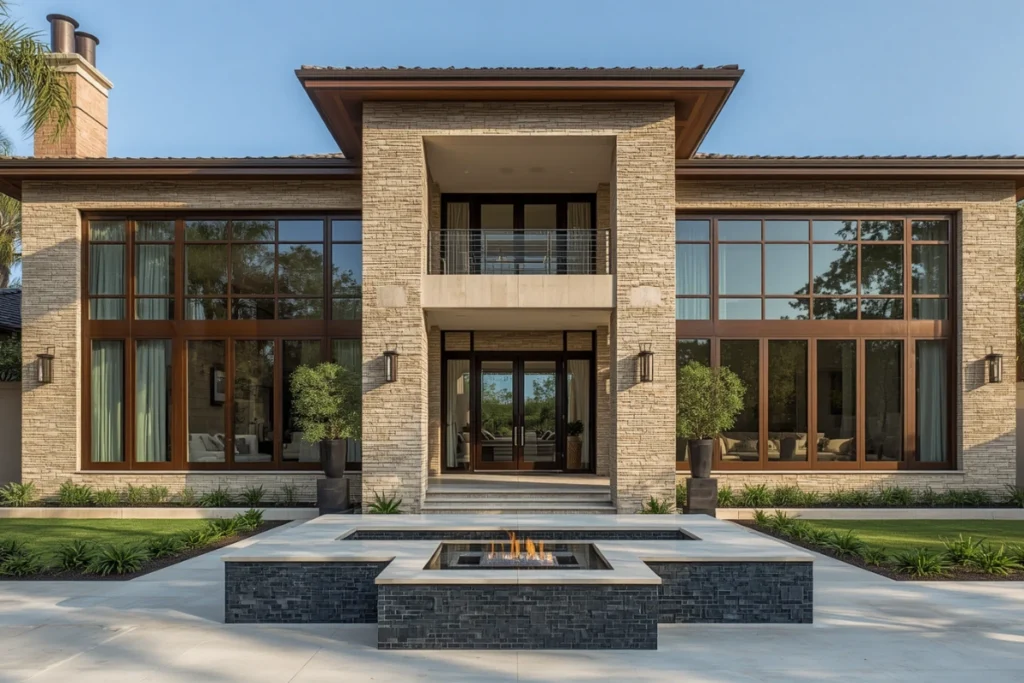
For high-net-worth homeowners, the value of a residence extends far beyond the purchase price or current market value. Luxury homes often represent significant investments in architecture, craftsmanship, custom materials, and personal design choices that cannot be easily replicated.
One of the most important considerations in protecting these properties is understanding replacement cost — the estimated cost to rebuild a home after a major loss using comparable materials, craftsmanship, and construction standards.
In markets such as Beverly Hills, Los Angeles, and throughout Southern California, replacement costs for luxury residences continue to increase due to rising construction expenses, limited availability of skilled labor, evolving building requirements, and the complexity of rebuilding custom properties. The goal is not simply insuring possessions.
It is preserving assets, legacy, and peace of mind.
A home that was properly insured several years ago may no longer have adequate coverage today.
For successful individuals and families, regularly reviewing property valuations is an essential component of a comprehensive Private Client insurance strategy.
Market Value vs. Replacement Cost: Why the Difference Matters
One of the most common misconceptions among homeowners is that insurance coverage should be based on a property’s market value.
However, market value and replacement cost represent two very different measurements.
Market value considers factors such as:
-
Location
-
Real estate demand
-
Comparable sales
-
Land value
-
Neighborhood desirability
Replacement cost focuses on what it would take to rebuild the structure after a covered loss, including:
-
Construction materials
-
Labor costs
-
Architectural design
-
Engineering requirements
-
Permits
-
Specialized craftsmanship
-
Current building standards
A Beverly Hills estate may have a market value significantly influenced by its location, while the cost to rebuild may be driven by the home’s unique design, finishes, and construction complexity.
Why Luxury Home Reconstruction Costs Are Increasing
Luxury residences often require specialized construction expertise and materials that are significantly different from standard residential properties.
Several factors are contributing to rising replacement costs.
Construction Cost Inflation
Building costs have increased substantially due to higher prices for materials, labor, transportation, and specialized services.
Luxury homes are especially impacted because many include:
-
Custom stone and marble
-
Imported materials
-
Architectural glass
-
Specialty woodwork
-
High-end appliances and systems
-
Custom millwork
-
Advanced technology integrations
Replacing these elements after a loss often requires sourcing comparable materials and specialized contractors.
Skilled Labor Shortages
High-end residential construction depends on skilled professionals with specialized expertise.
Examples include:
-
Custom builders
-
Fine woodworking specialists
-
Stone and tile artisans
-
Specialty electricians
-
Landscape designers
-
Architectural restoration professionals
Limited availability of these experts can increase both construction timelines and costs.
Custom Architecture Creates Unique Challenges
Many luxury properties in Beverly Hills and Southern California feature architectural elements that cannot be easily replaced.
Examples include:
-
One-of-a-kind architectural designs
-
Historic features
-
Custom interiors
-
Unique structural elements
-
Expansive outdoor spaces
-
Guest houses and specialty structures
A standard reconstruction estimate may not accurately capture the cost of recreating these features.
California Building Requirements Can Increase Reconstruction Costs
After a significant loss, rebuilding may require compliance with updated regulations.
California homeowners may face additional considerations involving:
-
Building codes
-
Energy efficiency requirements
-
Fire-resistant construction standards
-
Updated electrical systems
-
Modern safety requirements
-
Environmental regulations
A property rebuilt today may require improvements that were not part of the original construction.
Catastrophe Exposure and Luxury Homes in Southern California
Southern California homeowners face a range of evolving risks that can influence replacement planning.
These include:
-
Wildfire exposure
-
Earthquake risk
-
Mudslide concerns
-
Extreme weather events
-
Increased construction demand after regional disasters
When widespread losses occur, demand for labor and materials can increase significantly, creating additional pressure on reconstruction costs.
This is one reason accurate valuation and proactive insurance reviews are critical for high-value properties.
Why Luxury Homeowners Should Review Coverage Regularly
A property valuation that was accurate five years ago may no longer reflect today’s rebuilding environment.
High-net-worth homeowners should consider reviewing coverage after:
-
Major renovations
-
Property improvements
-
Significant changes in construction costs
-
Market changes affecting materials and labor
-
Acquisition of additional residences
-
Changes in personal assets or lifestyle
A proactive review helps ensure insurance protection evolves alongside the property itself.
Common Luxury Home Insurance Gaps Related to Replacement Costs
During Private Client insurance reviews, advisors often identify:
Outdated Property Valuations
Coverage limits may not reflect current rebuilding costs.
Underinsured Custom Features
Unique architecture, finishes, and materials may require specialized valuation.
Insufficient Extended Replacement Coverage
Some properties require additional protection when rebuilding costs exceed original estimates.
Renovation and Improvement Gaps
Updates, additions, and upgrades may not be fully reflected in existing policies.
Incorrect Assumptions About Market Value
A home’s purchase price does not necessarily represent its reconstruction cost.
How Private Client Insurance Helps Address Replacement Cost Challenges
Luxury homes require a more strategic approach than simply selecting a standard homeowners policy limit.
A Private Client insurance review evaluates:
-
Property characteristics
-
Construction quality
-
Architectural details
-
Materials and finishes
-
Geographic risks
-
Future rebuilding considerations
-
Broader family assets and liability exposures
The goal is to create an insurance strategy designed around the complete picture of the homeowner’s lifestyle and assets.
Protecting a Luxury Residence Requires Ongoing Planning
A luxury home is more than a physical structure. It represents years of investment, design decisions, craftsmanship, and personal significance.
As construction costs continue changing, high-net-worth homeowners should regularly evaluate whether their insurance strategy still reflects the true cost of rebuilding.
For homeowners in Beverly Hills, Los Angeles, and throughout Southern California, a proactive Private Client insurance review can help identify potential gaps and ensure coverage remains aligned with evolving property values and risks.
About Alexander Kerhulas, CPRM

Alexander Kerhulas, CPRIA, has more than 15 years of Private Client experience and specializes in helping affluent individuals and families protect the assets they’ve worked a lifetime to build. His relationship‑first approach emphasizes personalized guidance, proactive communication, and customized insurance strategies designed around each client’s unique financial picture. Alex works closely with financial advisors, estate planning attorneys, private bankers, and other trusted professionals to ensure insurance becomes a coordinated component of the client’s broader wealth management strategy.
Rather than focusing on products, he focuses on protecting lifestyles, preserving wealth, and building long‑term relationships founded on trust, responsiveness, and expertise. Clients and professional partners alike value his ability to simplify complex insurance decisions while delivering concierge‑level service throughout every stage of the relationship. He is committed to ongoing dialogue, regular reviews, and thoughtful adjustments so that coverage keeps pace with changing needs.
For every client, Alex aims to create clarity, confidence, and a sense of security.
Private Client Advisory Contact
For private client insurance guidance and portfolio reviews:
 (310) 601-5721
 akerhulas@wheelerandtaylor.com
Confidential consultations available by request.