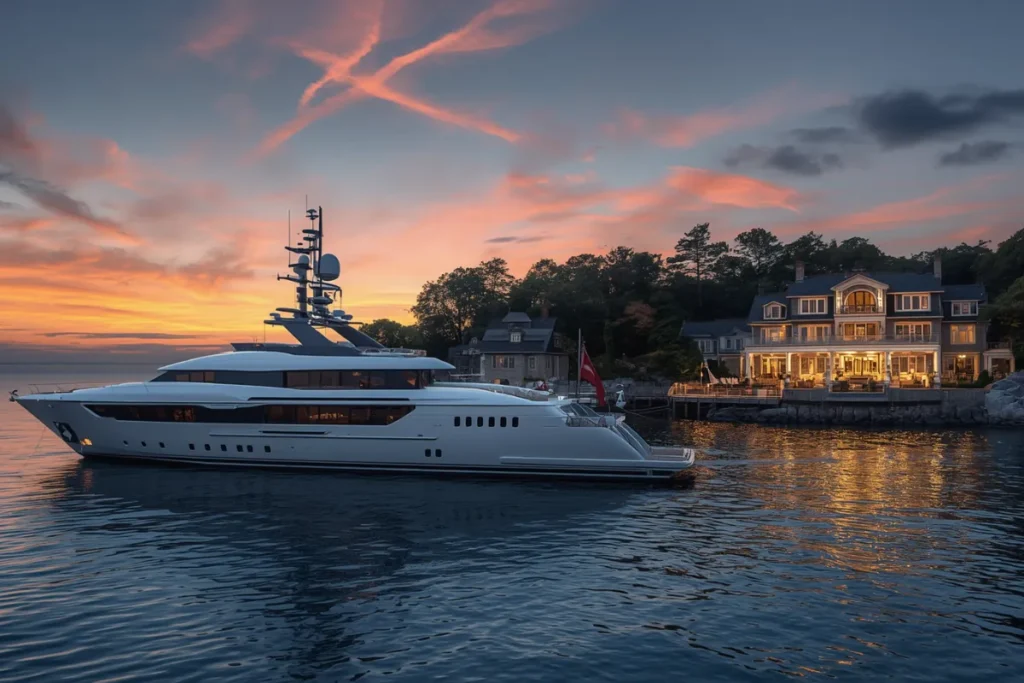
For many Hamptons homeowners, life on the water is part of everyday living. Whether it is a center console docked behind a waterfront residence, a sportfishing vessel in Montauk, or a luxury yacht moored in Sag Harbor, watercraft ownership introduces a unique set of insurance considerations that extend beyond standard homeowners and automobile coverage.
While many boat owners focus on hull protection and physical damage coverage, comprehensive marine insurance involves much more. Liability exposure, navigation limits, crew considerations, storm risk, and vessel valuation all play important roles in protecting both the asset and the lifestyle it supports.
For high-net-worth families, marine insurance should be viewed as an integrated component of a broader Private Client risk management strategy.
Why Standard Boat Insurance May Not Be Enough
Many recreational boat policies are designed for smaller vessels and more predictable usage patterns.
However, larger vessels, yachts, and high-value watercraft often require specialized coverage that addresses:
-
-
- Increased vessel values
- Higher liability exposure
- Extended navigation areas
- Specialized equipment
- Professional crew arrangements
- International cruising considerations
As vessel size and complexity increase, insurance needs typically become more sophisticated.
The Unique Marine Risks of the Hamptons
The waters surrounding the Hamptons offer exceptional recreational opportunities, but they also create environmental and operational exposures that require careful planning.
Coastal Storm Exposure
Nor’easters, tropical storms, hurricanes, and severe weather events can create substantial risks for vessels, marinas, and waterfront properties.
Dock and Mooring Liability
Vessel owners may be held responsible for damage involving docks, marinas, neighboring boats, or waterfront facilities.
Seasonal Usage Patterns
Many Hamptons boat owners use vessels heavily during summer months while maintaining them in storage during the off-season.
High-Traffic Waterways
Popular boating destinations often experience increased vessel traffic, creating greater potential for collisions and liability claims.
These factors make proper marine insurance particularly important for Hamptons property owners.
Understanding Yacht Liability Exposure
For affluent families, liability often represents the most significant marine insurance concern.
Potential liability exposures may include:
-
-
- Bodily injury claims
- Passenger injuries
- Property damage
- Environmental cleanup obligations
- Marina damage
- Water sports accidents
- Legal defense costs
A serious boating accident can generate substantial claims that exceed standard policy assumptions.
For this reason, marine liability coverage should be evaluated alongside homeowners, automobile, and umbrella liability protection.
Learn more in:
What Liability Limits Should High-Value Homeowners Carry?
Hull Coverage and Vessel Valuation
Hull insurance generally helps protect the physical vessel itself.
For high-value yachts and specialty vessels, important considerations include:
Agreed Value Coverage
This establishes a predetermined insured value and may help avoid depreciation disputes following a total loss.
Replacement Cost Considerations
Coverage should reflect current vessel value and market conditions.
Specialized Equipment Protection
Electronics, navigation systems, tenders, and custom equipment may require additional attention.
As vessel values change over time, regular insurance reviews become increasingly important.
Crew and Guest Considerations
Larger yachts often involve additional risk factors that smaller recreational boats may not encounter.
Examples include:
-
-
- Captains and crew members
- Entertaining guests
- Charter-related restrictions
- Domestic employee exposure
These considerations can influence both liability and insurance requirements.
Storm Preparedness and Hurricane Plans
Marine insurers often evaluate how vessel owners prepare for severe weather events.
Important factors may include:
-
-
- Hurricane plans
- Haul-out procedures
- Secure mooring arrangements
- Storage facilities
- Emergency response planning
Well-documented storm preparedness measures may help reduce both risk and claim severity.
Multi-Asset Coordination Matters
Many Hamptons homeowners own a combination of:
-
-
- Waterfront residences
- Yachts and watercraft
- Collector vehicles
- Valuable collections
- Multiple properties
When these assets are insured separately, liability limits and coverage structures can become inconsistent.
A Private Client strategy evaluates marine exposure as part of the broader asset portfolio rather than treating it as a standalone policy.
Common Marine Insurance Gaps We Identify
During Private Client insurance reviews, we frequently identify:
Insufficient Liability Limits
Marine liability exposure often exceeds policy assumptions.
Outdated Vessel Valuations
Market values may have changed significantly since coverage was established.
Umbrella Coordination Issues
Marine liability may not align with broader personal liability protection.
Navigation Limit Restrictions
Cruising areas may exceed policy limitations.
Incomplete Equipment Coverage
Specialized equipment may not be fully contemplated within existing policies.
Why Marine Insurance Should Be Part of a Larger Strategy
For many affluent families, a yacht is more than a recreational asset. It is part of a broader lifestyle portfolio that includes residences, vehicles, collections, travel, and personal liability exposures.
Protecting that lifestyle requires more than simply insuring a vessel. It requires coordinating coverage across every asset category to ensure protection remains aligned with both wealth and risk.
For Hamptons property owners, marine insurance is most effective when integrated into a comprehensive Private Client insurance strategy designed around the realities of life on and off the water.
To learn more about protecting high-value homes and lifestyle assets, explore our Hamptons Insurance Guide.
Related Articles
About Philip Moroch, CPRM
 Phil Moroch serves as Vice President of Private Client Services at Wheeler & Taylor Private Client Group and holds the Certified Personal Risk Manager (CPRM) designation. He specializes in advising high-net-worth individuals and families on coordinated insurance strategies across luxury residences, coastal properties, secondary homes, valuable collections, yachts, private aviation exposures, and excess liability protection. Phil works with clients whose insurance portfolios have often become fragmented across multiple carriers and policies over time. His role is to bring structure and clarity to those programs by aligning coverage across all assets, identifying gaps or overlaps, and building a more efficient and cohesive risk management strategy.
With access to leading private client insurance markets, Phil helps design tailored coverage programs that reflect the complexity of modern wealth, including multi-property ownership, lifestyle exposures, and evolving liability risks. He works with clients throughout New York, the Hamptons, Connecticut, Massachusetts, Florida, and nationwide through Wheeler & Taylor Private Client Group.
Private Client Advisory Contact
For private client insurance guidance and portfolio reviews:
📞 (914) 315-7054
✉️ pmoroch@wheelertaylor.com
Confidential consultations available by request.