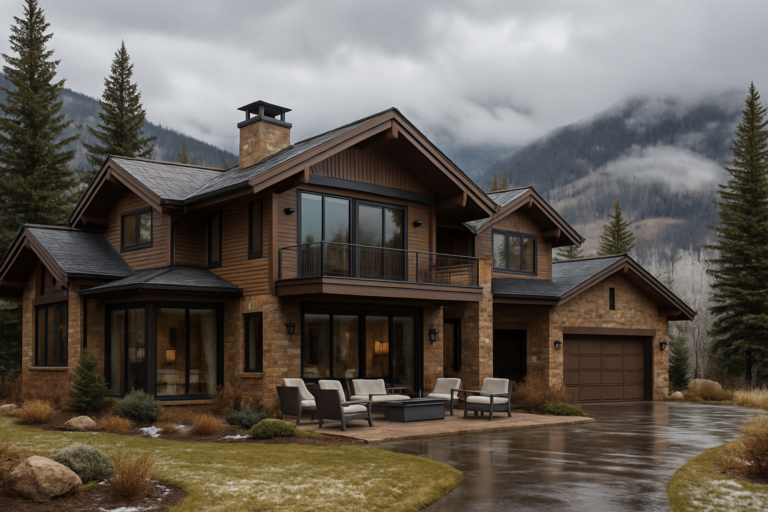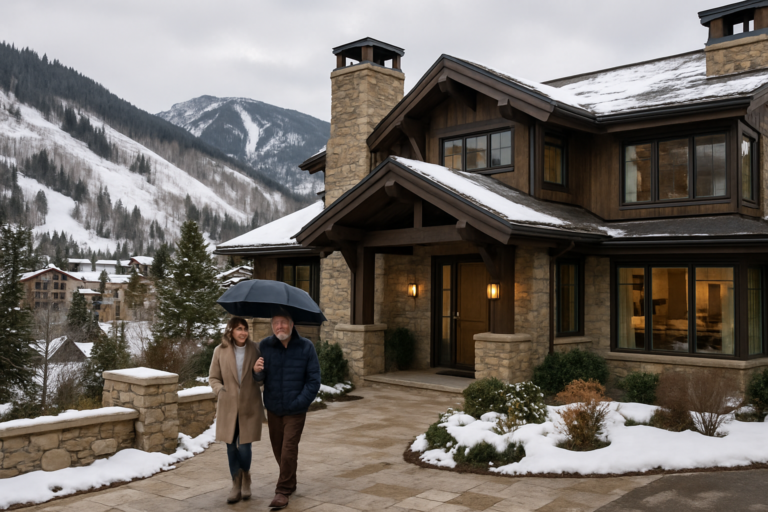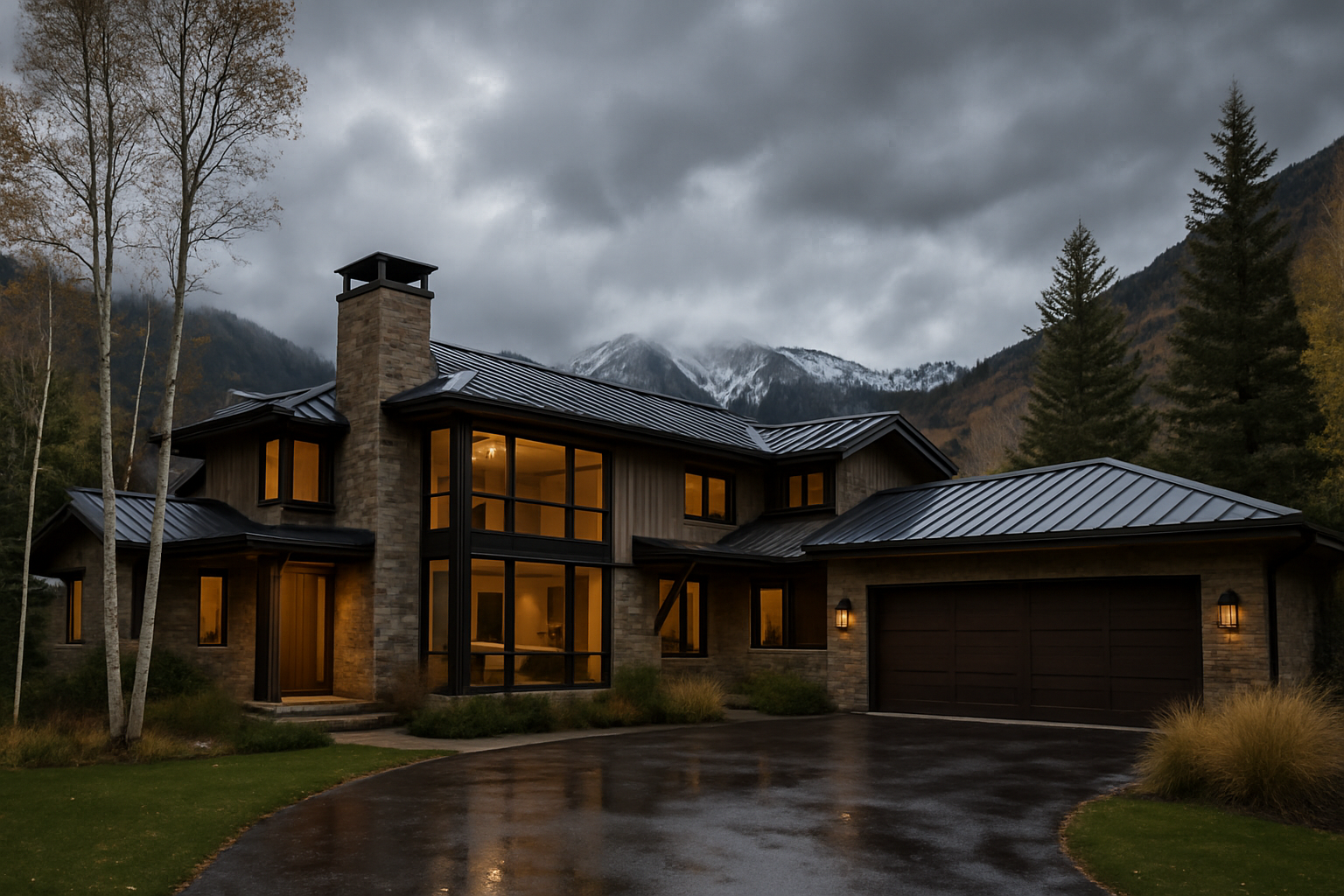
Owning a home in Aspen, Colorado, offers unparalleled beauty and a unique mountain lifestyle. However, the location also presents distinct challenges when it comes to preparing a property for severe weather. From heavy snow accumulation to potential windstorms and freezing temperatures, understanding how to protect your home—and your financial wellbeing—with appropriate insurance coverage is critical. This article explores key considerations for Aspen homeowners, highlighting coverage questions to ask your insurer, practical preparation tips, and potential gaps in typical policies.
Understanding the Risks: Severe Weather in Aspen
While Aspen’s picturesque setting is one of its greatest appeals, extreme weather events can pose significant threats to a home. Winter storms may drop tremendous snowfall, leading to roof damage or ice dam formation. Sudden temperature shifts can cause pipes to freeze or burst. Periodic wind events can damage siding, fences, or outdoor structures. Even spring and fall occasionally bring heavy rains or early snow, potentially resulting in flooding or water intrusion.
It is imperative for homeowners to consider how their insurance policies address these various risks. Not all policies cover every peril commonly associated with mountain living, and some coverages may have specific exclusions or limitations.
Key Coverage Questions to Ask Your Insurer
When reviewing or purchasing homeowners insurance for your Aspen property, the following coverage questions can guide you in making informed choices:
1. Does My Policy Include Protection Against Roof Collapse Due to Snow Load?
Aspen’s heavy snowfalls may cause structural strain. Many standard homeowners policies cover roof collapse from weight of snow or ice, but it is important to verify how this is defined. Ask if conditions such as gradual snow accumulation, or collapse due to ice dams causing water intrusion, are both considered.
2. How Does My Policy Address Damage from Ice Dams?
Ice dams can cause water to back up and seep under shingles, resulting in interior damage. Some policies may exclude water damage resulting from poor maintenance, while others cover resultant interior damage. Clarify whether ice dam-related damage is included, and what steps you should take to mitigate your own risk.
3. Am I Covered for Wind Damage Associated with Mountain Storms?
High winds can damage roofs, siding, windows, and outdoor property such as decks or fences. Confirm which wind-related perils are covered, including whether or not “named storm” deductibles apply, and if certain wind losses require separate deductibles.
4. Does My Policy Provide Adequate Coverage for Water Damage and Flooding?
Standard homeowners insurance often excludes coverage for flooding caused by rising water or surface runoff. In Aspen, rapid snowmelt or heavy rain may trigger localized flooding. Discuss options for flood insurance or endorsements, and understand the distinctions between water damages covered under your policy.
5. How Are Freezing Pipes Handled?
Frozen or burst pipes can cause extensive water damage. Determine whether coverage applies when pipes freeze due to your home being unoccupied, or if you are required to keep heating systems operational to maintain coverage.
6. Are Detached Structures, Outbuildings, and Landscaping Covered?
Your Aspen property may include valuable detached garages, guest cottages, or landscaping features vulnerable to weather damage. Review what limits and types of coverage apply to structures separate from your primary residence.
7. What Liability Coverage Do I Have Against Injuries from Severe Weather Hazards?
Snow and ice can create hazardous conditions around your home. Ensure that your policy provides appropriate personal liability coverage if someone is injured on your property due to weather-related hazards, and confirm your responsibilities for snow and ice removal.
Potential Policy Gaps and Exclusions to Watch For
No insurance policy is fully comprehensive by default. Aspen homeowners should be especially aware of common exclusions or coverage gaps that can lead to surprises during claims:
- Flood Exclusion: Standard homeowners insurance rarely covers flood damage, requiring separate flood insurance policies or endorsements.
- Maintenance-Related Damage: Damage resulting from neglect or deferred maintenance, such as ice dam buildup without proper roof care, often isn’t covered.
- Earth Movement and Landslides: Mountainous terrain increases risk for land shifts; policies may exclude damage from earth movement unless specifically insured.
- Wear and Tear: Damage worsened over time by weather exposure may be viewed as wear and tear, which most policies exclude.
- Optional Deductibles: Some policies impose higher deductibles for wind or hurricane damage, which could be applicable in severe storm events.
Practical Preparations for Aspen Homeowners
Beyond insurance coverage decisions, physical preparation plays a critical role in minimizing damage and loss. Consider the following checklist to help safeguard your home:
- Inspect and maintain your roof to handle heavy snow loads; repair any damaged shingles or flashing.
- Install gutter guards and ensure downspouts direct water away from the foundation.
- Use ice melt or roof rakes to prevent ice dam formation during winter.
- Insulate exposed pipes and maintain consistent heating, especially during absences.
- Trim trees or limbs that could fall onto your home during wind or heavy snow.
- Secure outdoor furniture, grills, and other movable objects to prevent wind damage.
- Verify sump pump operation and consider battery backup systems to prevent basement flooding.
- Create and update an inventory of personal property and structural features, including photographs, for insurance purposes.
- Clear snow and ice promptly from walkways and driveways to avoid liability risks.
For Aspen homeowners, proactive preparation and understanding insurance nuances are not just practical steps—they’re essential investments in protecting both your home and peace of mind through the seasons.
Consultation and Regular Policy Review
Because severe weather threats and homeowner needs evolve, periodically reviewing your insurance portfolio with a knowledgeable agent is crucial. Tailoring coverage to reflect improvements or changes you’ve made to your home, or to shifts in your risk tolerance, helps ensure your protection is aligned with realities on the ground.
Furthermore, discussing the specific language of your policy, such as definitions of “direct damage” or the scope of covered perils, will prevent misunderstandings when a claim arises. Request examples or case scenarios from your agent to grasp how your policy might respond to Aspen’s severe weather conditions.
Conclusion
Preparing an Aspen home for severe weather encompasses far more than clearing snow—it requires a thoughtful approach to insurance coverage and home maintenance. By asking targeted questions, recognizing potential exclusions, and implementing preventative measures, homeowners can better navigate the complexities of mountain weather risks. Adequate planning and informed decisions transform the challenges of severe weather from daunting threats into manageable responsibilities, allowing you to enjoy the mountain lifestyle with greater confidence.
Explore local coverage: Private client insurance in Aspen, Colorado.