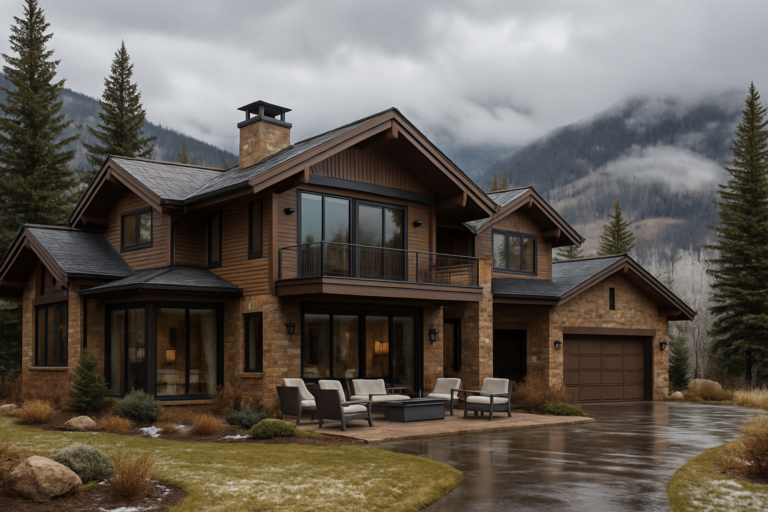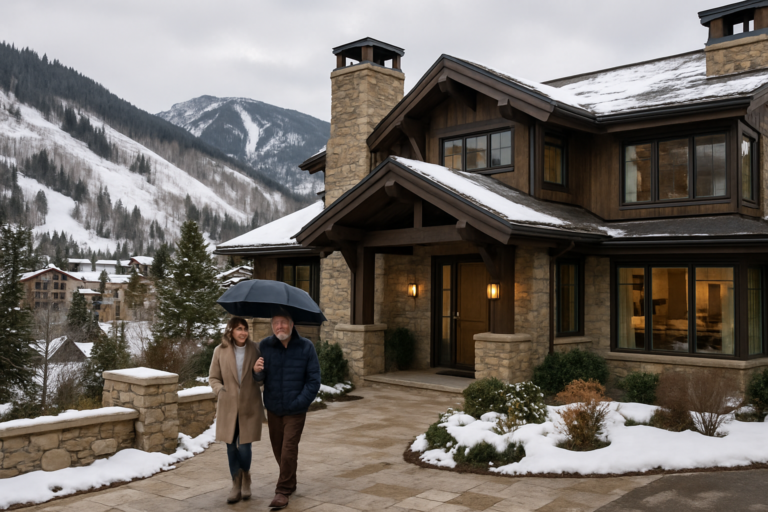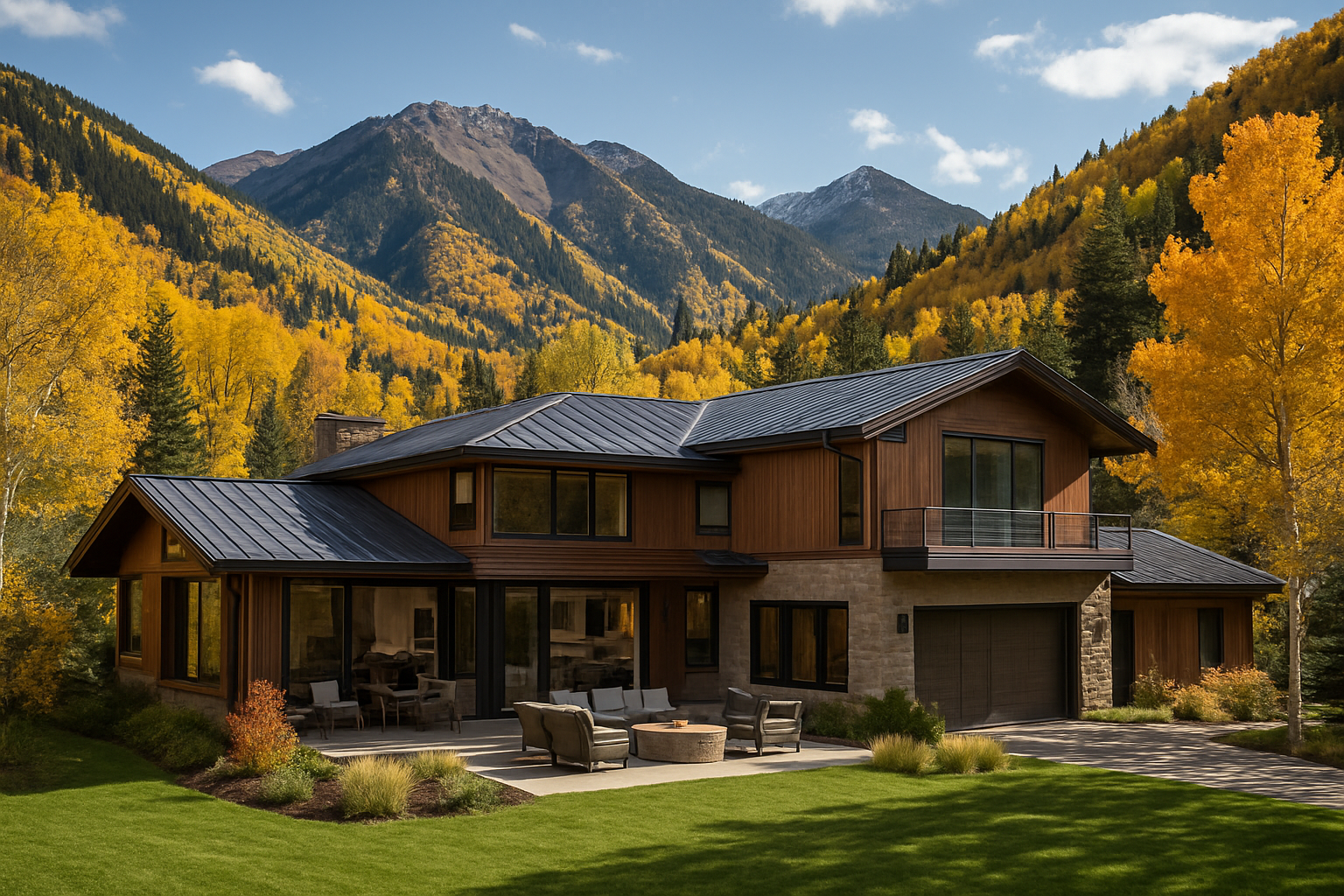
Owning a second home in Aspen, Colorado, offers a unique blend of natural beauty, recreational opportunities, and investment potential. However, with such a property comes important insurance considerations that differ significantly from primary residences. A second home often sits unused for long periods, faces distinct weather-related risks, and may require different coverage types given its specific use and value. Navigating these factors thoughtfully is essential to protect your investment and ensure peace of mind.
Understanding the Nature of Second Home Insurance
Second home insurance is not simply an extension of a primary homeowner’s policy; it demands tailored coverage to reflect the unique risks faced by properties used seasonally or occasionally. Many insurance companies categorize second homes differently because of increased risks such as prolonged vacancy, limited property oversight, and exposure to environmental elements.
For Aspen second home owners, these distinctions matter. The Rocky Mountain climate, elevation, and seasonal patterns call for a deeper assessment of insurance needs that address potential perils like snow damage, frozen pipes, wildfire exposure, and even liability issues related to guests or renters.
Primary Questions to Ask When Considering Coverage
Before selecting an insurance policy for a second home in Aspen, owners should clarify key coverage aspects. Thoughtful questions include:
- Does the policy cover periods when the home is vacant or unoccupied? Many standard homeowner policies limit or exclude coverage during extended vacancy. Since second homes are often unoccupied for months, verifying vacancy provisions is vital.
- Are there specific endorsements or riders available for unique Aspen exposures? Consider coverage options for snow load damage, ice damming, or wildfire losses, which can be risks in mountain environments.
- Is liability protection sufficiently robust? Liability risks can increase if the property is rented or used frequently by guests, possibly requiring higher limits or specialized umbrella policies.
- How does the policy address personal property, especially high-value items? Second homes often contain luxury goods—artwork, sporting equipment, designer furnishings—that may need additional coverage beyond standard limits.
- What about coverage for recreational equipment and vehicles? Items like snowmobiles, skis, mountain bikes, or boats may or may not be covered under standard policies.
- Are water-related damages like frozen pipes or sump pump failures covered? Cold weather can cause significant damage if not anticipated.
- How is the replacement cost determined for a second home in a high-value market like Aspen? Ensuring coverage reflects the true rebuild costs is essential to avoid underinsurance.
Key Coverage Components to Evaluate
Dwelling and Structure Coverage
The dwelling coverage protects the physical building. Given Aspen’s winter conditions, it’s important to confirm the policy covers damages caused by typical mountain weather phenomena—such as ice dams on roofs or snow accumulation causing structural damage. Some policies may limit coverage for such losses or require specific maintenance protocols.
Owners should also inquire whether detached structures—such as guest cottages, garages, or sheds—are included with adequate limits.
Personal Property Coverage
Coverage on personal belongings in a second home may be limited when the property is vacant. Owners should inventory valuable items and discuss endorsements such as scheduled personal property coverage that itemizes and protects high-value possessions separately from standard contents coverage.
Liability Coverage
A second home in Aspen could expose owners to liability claims due to guest injuries on the premises or lawsuits arising from rental use. Liability limits in standard second home policies may be insufficient if the property is frequently used by others. Owners should consider higher liability limits or umbrella insurance for added protection.
Loss of Use and Additional Living Expenses
If the second home becomes uninhabitable due to a covered loss, loss of use coverage helps cover additional living expenses. Given the remote nature of Aspen, renting alternative accommodations or travel expenses could be significant. Owners should check what limits are included and if loss of use benefits extend to second homes as they often do for primary residences.
Specialized Coverage Considerations
- Wildfire and Forest Fire Risks: Depending on location, wildfire coverage should be reviewed closely. Some insurers require specific risk mitigation or exclude losses from wildfires unless additional coverage is purchased.
- Water Damage and Frozen Pipes: Water damage stemming from frozen or burst pipes is a common winter peril in mountain homes. Policies typically require certain heat or maintenance standards to maintain coverage during vacancy.
- Rental Use: If owners rent out their second home—seasonally or short-term—they must disclose this to insurers. Rental use often requires a different policy or rider to cover increased liability, theft, or damage risks.
Proactive Questions to Ask Your Insurance Advisor
Engage with a knowledgeable insurance professional who can tailor coverage effectively. Vital discussions should include:
- What specific environmental risks affect coverage in Aspen, and how can we address them?
- Are there conditional requirements for heat maintenance or security monitoring when the home is unoccupied?
- Do you recommend endorsements for personal property or fine art specific to a luxury second home?
- How does my insurance respond if I choose to rent my second home through platforms like vacation rentals?
- What are the typical exclusions related to second home insurance, and how can mitigate those gaps?
- Is there coverage for landscaping or outdoor structures, considering mountain weather stressors?
- What steps can I take to lower premium costs without sacrificing necessary coverage?
Practical Checklist for Second Home Insurance in Aspen
- Confirm vacancy provisions and understand coverage limits during unoccupied periods.
- Verify that dwelling and detached structures have adequate replacement cost values.
- Inventory and schedule high-value personal property or contents.
- Assess liability coverage limits based on guest use and rental intent.
- Inquire about coverage enhancements for wildfire, snow, ice damming, and frozen pipe damage.
- Discuss loss of use benefits and whether they suit second home scenarios.
- Clarify how rental activities affect coverage and what documentation is required.
- Ask about risk management recommendations, including maintenance during vacancy (heat, inspections, security).
- Review and update policies regularly to reflect home improvements or changes in use.
Protecting your Aspen second home goes beyond checking a box on an insurance form—it is about deeply understanding the unique risks your mountain retreat faces, the ways these hazards can impact your property, and ensuring your coverage actively safeguards your lifestyle and investment.
Conclusion
Second home insurance in Aspen requires deliberate attention to detail and a willingness to explore coverage beyond the basics. These properties present distinct challenges, from seasonal vacancy to environmental hazards, that necessitate customized insurance solutions. Asking the right questions, working closely with your insurance advisor, and regularly reviewing your policy will help ensure you maintain appropriate protection tailored to your mountain home’s needs.
Investing in comprehensive, well-informed second home insurance coverage can secure your Aspen property, allowing you to fully appreciate the serene environment and unique experiences this iconic mountain community offers.
Explore local coverage: Private client insurance in Aspen, Colorado.