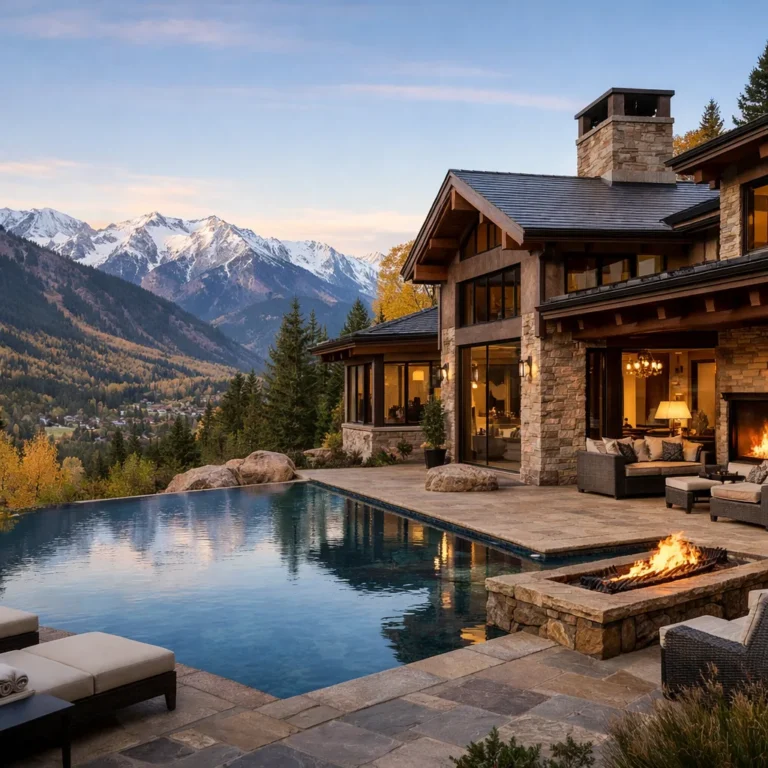
The Roaring Fork Valley in Colorado is renowned for its stunning landscapes, luxury homes, and outdoor recreational opportunities. However, residing in this beautiful mountain region comes with heightened risks, notably from wildfires. For owners of high-value properties in the valley, understanding how wildfire exposure impacts insurance coverage is essential to ensure adequate protection and financial security.
Wildfire Risk in the Roaring Fork Valley
The Roaring Fork Valley, encompassing towns such as Aspen, Snowmass, and Glenwood Springs, experiences a combination of dry summers, changing weather patterns, and extensive forested areas—conditions that contribute to increased wildfire potential. Over recent years, Colorado has seen a rise in the frequency and intensity of wildfires, prompting property owners and insurers alike to take notice.
Wildfires can cause catastrophic damage to homes and other structures, destroy landscaping, and lead to costly temporary relocation. For high-value properties, the exposure is even greater due to the complexity and costliness of rebuilding or repairing specialized architecture, luxury finishes, and custom amenities.
How Wildfire Exposure Influences Insurance Coverage Needs
Wildfire risks affect private client insurance policies across several dimensions. While basic homeowners insurance often includes coverage for fire, understanding the particular nuances of wildfire-related insurance coverage in Roaring Fork Valley is important for high-net-worth individuals.
1. Coverage Limits and Valuation Challenges
- Replacement Cost vs. Actual Cash Value: High-value homes frequently require replacement cost coverage to ensure the insurer will pay to rebuild the home using materials and craftsmanship consistent with the original. Actual cash value coverage, which considers depreciation, may be inadequate for luxury properties.
- Appraisal and Updating Coverage Limits: Homes and amenities must be regularly appraised to ensure coverage limits reflect the true rebuilding costs in a wildfire-prone environment, where specialized materials and labor can be more expensive.
2. Specialized Coverage for Outdoor Structures and Landscaping
- Wildfire exposure often jeopardizes valuable outdoor features such as custom decks, swimming pools, landscaping, and privacy fencing. Standard policies might limit coverage for these outdoor assets unless specifically endorsed or included.
- Detailed inventories of outdoor property and landscaping can help tailor policies to ensure adequate wildfire-related coverage.
3. Additional Living Expenses and Temporary Relocation
- High-value properties in remote mountain areas may take considerable time to repair or rebuild following wildfire damage.
- Insurance policies should include sufficient additional living expenses (ALE) coverage to support extended stays in alternative accommodations, considering the high standards and lifestyle expectations of private clients.
4. Deductibles and Wildfire-Specific Provisions
- Some wildfire-prone regions have insurers impose separate, often higher, deductibles specifically for wildfire claims. These deductibles can significantly impact out-of-pocket expenses after loss.
- Understanding how wildfire deductibles apply and whether the policy includes wildfire or “catastrophe” deductibles is crucial for risk planning.
Additional Policy Considerations for High-Value Properties
Given the increased wildfire risk, some property owners and insurers consider—or require—measures beyond standard insurance policies. These can influence underwriting, premiums, and overall coverage:
1. Risk Mitigation and Property Hardening
- Implementation of wildfire mitigation strategies such as defensible space creation, premium fire-resistant building materials, spark arrestors, and regular vegetation management.
- Documentation of these efforts can sometimes lead to favorable underwriting outcomes or premium incentives but does not guarantee coverage or claim approval.
2. Home Hardening and Fire-Resistant Construction
- Choosing design and construction materials that comply with local wildfire-resistant building codes can reduce vulnerability but must be accompanied by appropriate insurance adjustments.
- Insurance companies may request evidence of these building standards as a condition of coverage.
3. Comprehensive Risk Assessments
- Engaging specialized consultants to conduct wildfire risk assessments can inform insurance purchasing decisions.
- Risk assessments help define the scope of coverage needed, identify potential gaps, and support negotiations with insurers.
Limitations and Important Disclosures Regarding Wildfire Insurance Coverage
High-value property owners should be aware that:
- Insurance policies vary significantly in wildfire coverage terms, limits, and exclusions; reading policy language carefully is essential.
- Some insurers may exclude coverage for certain wildfire-related damages, or deny claims if recommended mitigation strategies are not maintained.
- Coverage for wildfire smoke damage, evacuation-related losses, or certain outdoor property exposures might have specific policy limitations.
- Insurers generally do not guarantee coverage continuation; underwriting decisions can change based on wildfire events and shifting risk assessments.
- Regulations and insurance market conditions in Colorado influence wildfire insurance availability but do not ensure uniform coverage terms.
Practical Steps for Roaring Fork Valley Property Owners
To better address wildfire risks through insurance coverage, private clients in the Roaring Fork Valley should consider the following actions:
- Conduct a thorough review of existing policies with an insurance professional experienced in wildfire risk and high-value homes.
- Maintain updated, detailed inventories of all structures, personal property, and outdoor assets susceptible to wildfire damage.
- Regularly appraise high-value real estate and contents to align coverage limits with rebuilding/replacement costs considering wildfire exposure.
- Implement and document wildfire mitigation measures to potentially improve insurability and negotiate better terms.
- Understand and plan for policy deductibles specifically related to wildfire events, budgeting accordingly for potential out-of-pocket costs.
- Stay informed about changes in local wildfire risk assessments, building codes, and insurance market conditions affecting coverage availability and terms.
Conclusion
Wildfires pose a significant threat to the high-value properties scattered throughout Colorado’s Roaring Fork Valley. The intersection of increased wildfire risk and the complexity of insuring luxury homes requires thoughtful, proactive insurance planning. By understanding how wildfire exposure influences insurance coverage needs—including limits, deductibles, additional living expenses, and special coverage considerations—property owners can better protect their investments and lifestyles. Collaborating with knowledgeable insurance advisors and taking tangible risk mitigation steps are essential elements in securing robust, appropriate insurance protection in one of Colorado’s most treasured regions.