For many homeowners throughout the Northeast, a primary residence is only part of their overall lifestyle and property portfolio.
A family may spend summers at a waterfront home on Cape Cod, weekends at a Vermont ski property, or extended holidays at a lakefront retreat in New Hampshire. Others may maintain a coastal residence in Rhode Island, a seasonal property in Maine, or a second home in the Berkshires while living elsewhere throughout the year.
While these properties offer exceptional lifestyle benefits, they also introduce insurance challenges that differ significantly from those associated with a primary residence.
The reality is that seasonal and vacation homes often face unique exposures due to occupancy patterns, geographic location, maintenance considerations, and environmental risks. Without proper planning, these factors can create substantial coverage gaps that may not become apparent until a loss occurs.
Protecting multiple residences effectively requires more than simply purchasing separate insurance policies. It requires a coordinated strategy that considers how each property fits within a broader risk management and asset protection framework.
Why Seasonal Homes Present Unique Insurance Challenges
Insurance policies are generally designed around the assumption that a property is regularly occupied and monitored.
Seasonal residences frequently operate under different circumstances.
Homes may remain vacant for weeks or months at a time. Maintenance issues can go unnoticed. Weather events may cause damage that is not discovered immediately. Security concerns can increase when a property sits unoccupied for extended periods.
As a result, insurance carriers often evaluate seasonal homes differently than primary residences.
Factors commonly considered include:
- Length of vacancy periods
- Property monitoring practices
- Security systems
- Property management arrangements
- Maintenance schedules
- Geographic location
- Access to emergency services
Understanding how these factors influence coverage is essential when evaluating protection for a second home.
The Northeast Creates Distinct Regional Risks
One of the defining characteristics of the Northeast is the diversity of environmental exposures that can impact residential properties.
A seasonal home in Maine may face entirely different risks than a vacation condominium in Manhattan or a mountain retreat in Vermont.
Coastal Properties
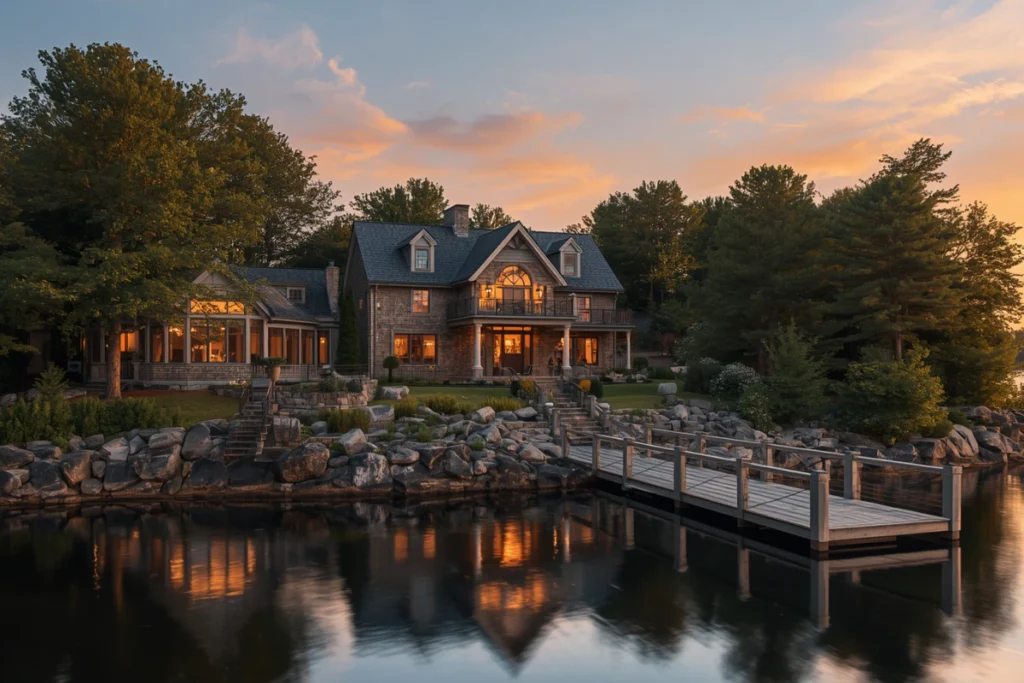
Waterfront homes throughout Massachusetts, Rhode Island, Connecticut, New Jersey, and portions of Maine often face elevated exposure to:
- Wind-driven storms
- Storm surge
- Coastal flooding
- Saltwater corrosion
- Accelerated exterior deterioration
- Increased rebuilding costs
Owners frequently assume that standard homeowners insurance addresses all weather-related losses, but flood exposure often requires separate consideration.
Mountain and Rural Properties
Properties located throughout Vermont, New Hampshire, western Massachusetts, and rural Pennsylvania commonly face:
- Heavy snow loads
- Ice dam formation
- Frozen pipe exposure
- Extended power outages
- Limited emergency response access
- Tree-related property damage
Because many of these homes remain vacant during portions of the year, damage can continue for extended periods before being discovered.
Lakefront and Recreational Properties
Seasonal homes located on lakes and rivers introduce additional liability and property considerations.
Common exposures include:
- Dock-related accidents
- Watercraft liability
- Guest injuries
- Recreational equipment losses
- Shoreline erosion
- Weather-related structural damage
These risks often extend beyond the residence itself and require broader evaluation of associated assets and activities.
Vacancy Can Increase Both Property and Liability Exposure
One of the most significant differences between primary residences and seasonal homes is occupancy.
A small plumbing leak that might be discovered within hours at a primary residence could continue for weeks at an unoccupied vacation property.
Similarly, mechanical failures, roof damage, or storm-related losses may go unnoticed until substantial damage has occurred.
Vacancy-related concerns often include:
- Water damage
- Frozen pipes
- HVAC failures
- Security breaches
- Vandalism
- Pest infestations
- Mold development
Many homeowners are surprised to learn that occupancy patterns can influence how certain claims are evaluated.
For this reason, it is important to review policy language carefully and ensure that vacancy considerations align with actual property usage.
Liability Risks Often Extend Beyond the Structure
When homeowners think about insurance, attention frequently centers on protecting the building itself.
However, liability exposure can often represent a greater financial risk.
Vacation properties frequently host:
- Family gatherings
- Holiday celebrations
- Weekend guests
- Recreational activities
- Waterfront use
- Outdoor entertainment
The more frequently a property is used for social or recreational purposes, the greater the opportunity for liability claims to arise.
Potential scenarios may include:
- Slip-and-fall injuries
- Dock accidents
- Swimming pool incidents
- Guest injuries
- Property-related accidents
- Recreational equipment usage
Because liability follows lifestyle rather than property value alone, seasonal homeowners should evaluate protection across their entire asset portfolio.
Coordinating Coverage Across Multiple Properties
Many successful individuals and families acquire additional homes over time.
A primary residence may eventually be joined by:
- A ski home in Vermont
- A Cape Cod waterfront property
- A lake house in New Hampshire
- A Rhode Island coastal retreat
- A Maine vacation residence
- A New York City condominium
Frequently, each property is insured independently through different carriers and policy structures.
While this approach may appear sufficient, it can create challenges including:
Coverage Inconsistencies
Different carriers often define covered losses differently.
As a result, protections available at one property may not exist at another.
Liability Misalignment
Liability limits may vary significantly between homes, creating unnecessary exposure.
Multiple Renewal Dates
Administrative complexity increases as policy schedules become fragmented.
Umbrella Insurance Gaps
Personal umbrella coverage may not properly coordinate with all underlying properties and exposures.
A coordinated insurance strategy helps ensure that coverage works together rather than functioning as a collection of unrelated policies.
Valuable Property Often Moves Between Homes
Another frequently overlooked consideration involves valuable personal property.
Many homeowners distribute assets among multiple residences throughout the year.
Examples include:
- Fine art
- Jewelry
- Wine collections
- Antiques
- Collectibles
- Luxury furnishings
- Family heirlooms
As property moves between locations, insurance schedules and valuations should be reviewed regularly.
Without proper coordination, valuable items may be underinsured, improperly scheduled, or subject to coverage limitations.
Rising Rebuilding Costs Continue to Impact Seasonal Homes
Throughout the Northeast, construction costs have increased substantially in recent years.
This issue is particularly important for vacation properties located in:
- Coastal communities
- Resort destinations
- Island locations
- Rural areas with limited contractor availability
In many cases, replacement costs have risen faster than homeowners realize.
A property insured based on an outdated valuation may face significant rebuilding challenges following a major loss.
Regular reviews help ensure coverage remains aligned with current reconstruction realities rather than historical purchase prices.
Benefits of a Comprehensive Seasonal Home Insurance Strategy
Effective insurance planning for vacation and seasonal properties involves more than protecting individual buildings.
A coordinated approach can help provide:
- Consistent coverage structures
- Unified liability protection
- Reduced coverage gaps
- Improved asset protection
- More accurate property valuations
- Simplified policy management
- Better coordination between homes and umbrella coverage
Most importantly, it allows homeowners to evaluate risk through the lens of their entire property portfolio rather than treating each residence as an isolated asset.
Protecting Seasonal and Vacation Homes Throughout the Northeast
Whether you own a waterfront property on Cape Cod, a ski home in Vermont, a lakefront retreat in New Hampshire, a coastal residence in Rhode Island, a vacation property in Maine, or multiple homes throughout the Northeast, insurance planning becomes increasingly important as your property portfolio grows.
A comprehensive strategy helps ensure that residences, liability exposures, valuable assets, and long-term financial objectives remain properly aligned.
As ownership responsibilities evolve, regular insurance reviews can help identify emerging risks, address coverage gaps, and maintain protection that reflects both lifestyle and asset growth.
Related Articles

 Phil Moroch serves as Vice President of Private Client Services at Wheeler & Taylor Private Client Group and holds the Certified Personal Risk Manager (CPRM) designation. He specializes in advising high-net-worth individuals and families on coordinated insurance strategies across luxury residences, coastal properties, secondary homes, valuable collections, yachts, private aviation exposures, and excess liability protection. Phil works with clients whose insurance portfolios have often become fragmented across multiple carriers and policies over time. His role is to bring structure and clarity to those programs by aligning coverage across all assets, identifying gaps or overlaps, and building a more efficient and cohesive risk management strategy.